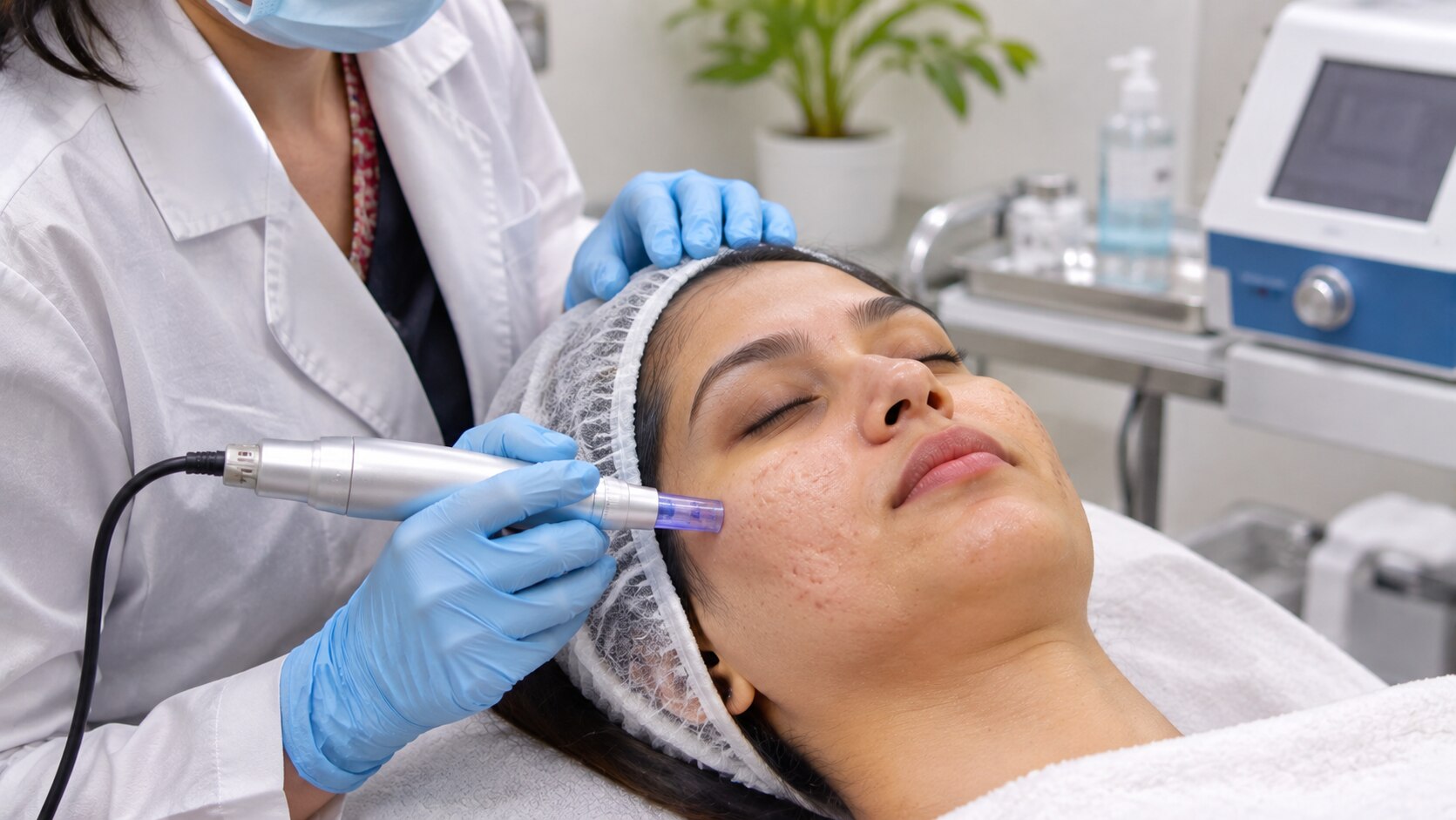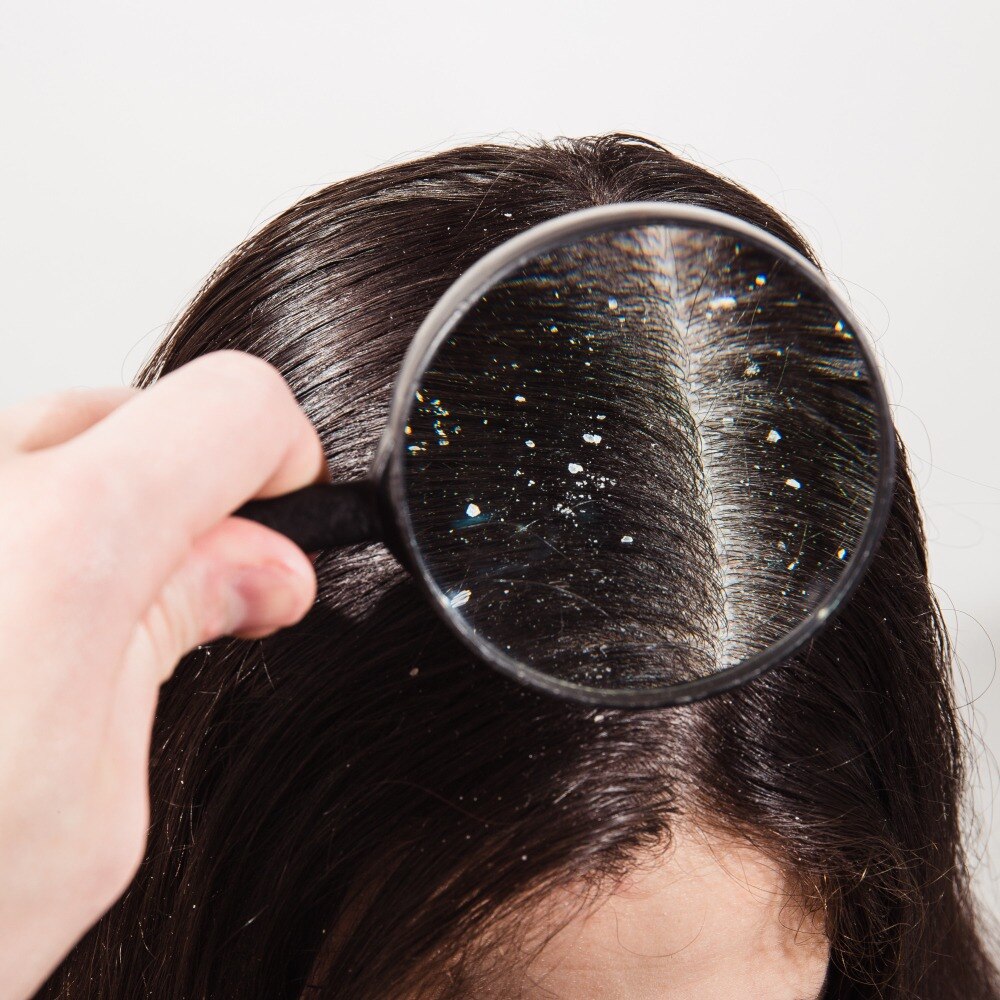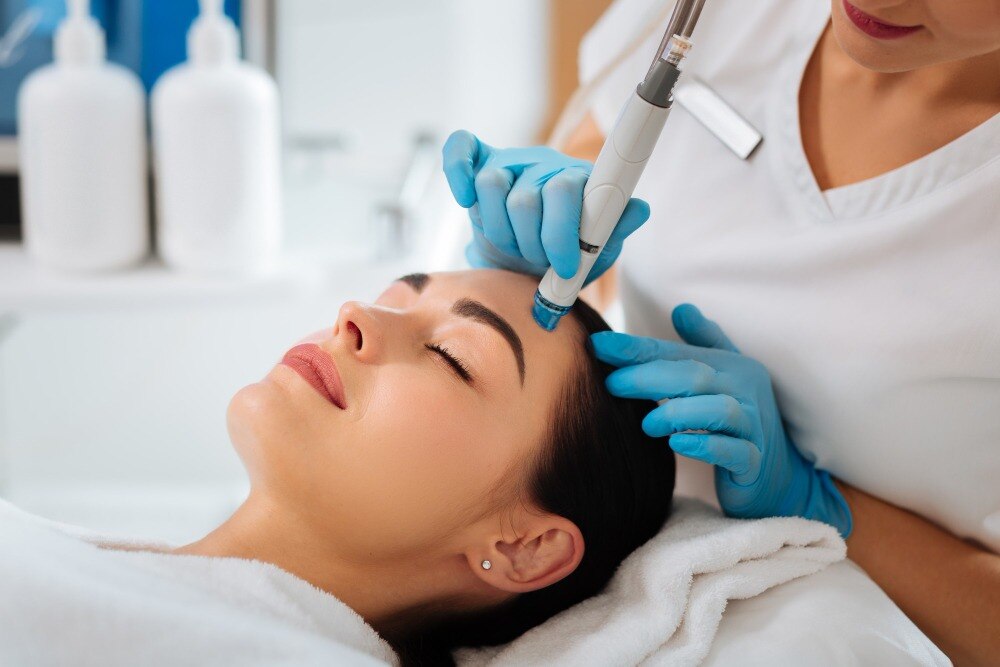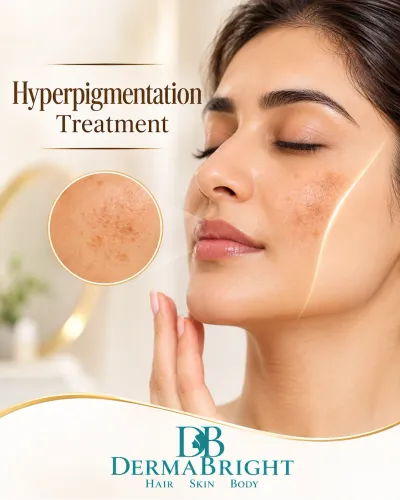
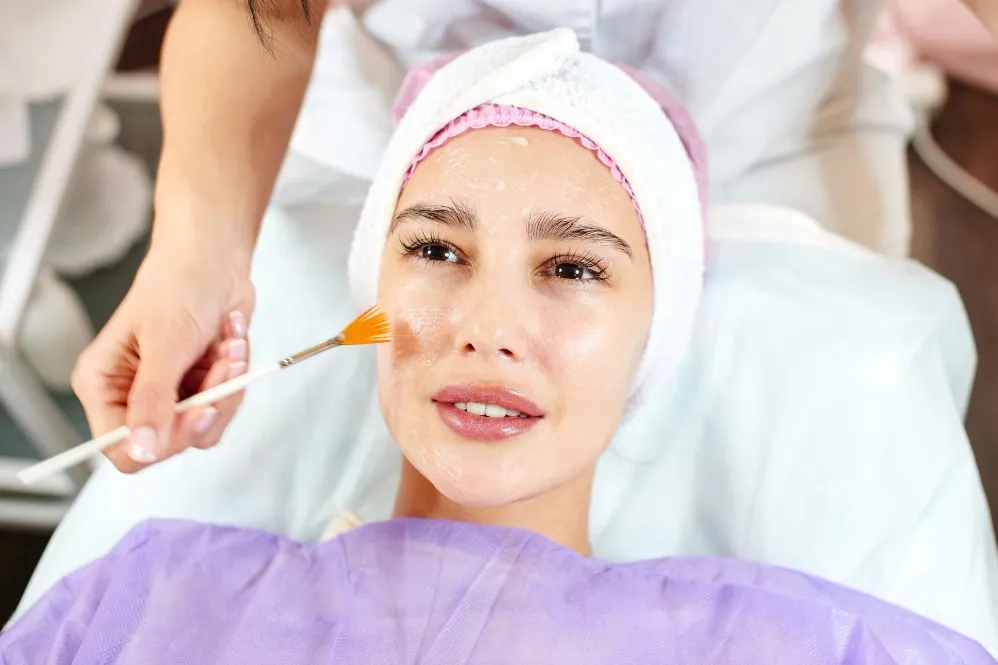
The term Whitening Peel is commonly searched by people who want brighter, clearer, more even-looking skin. Clinically, chemical peeling is better understood as controlled exfoliation aimed at concerns such as tanning, superficial pigmentation, dullness, plus uneven tone rather than changing a person's natural skin colour.
For people in Pimple Nilakh, Pune, understanding this distinction can help create realistic expectations before choosing a professional peel.
What Does a Whitening Peel Target?
A professionally selected peel may help reduce the appearance of superficial pigment buildup by removing dead surface cells plus supporting skin renewal.
Depending upon the formulation, treatment may be considered for
- Tanning
- Dull complexion
- Uneven-looking tone
- Superficial pigmentation
- Post-acne marks
- Rough texture
- Sun-related skin changes
The appropriate peel depends upon the actual concern.
Deep pigmentation may not respond in the same way as surface tanning. Melasma also requires careful management because excessive irritation can contribute to worsening pigmentation.
Skin Brightening Is Different From Changing Natural Complexion
Healthy skin exists across a wide range of natural tones.
Professional skin treatment should focus on improving concerns such as uneven pigmentation, dullness, texture, plus sun damage rather than promising an unrealistic change in natural complexion.
This is particularly important when evaluating advertising claims about dramatic whitening.
A dermatologist can help determine whether visible darkness is caused by tanning, pigmentation, post-acne marks, melasma, irritation, plus another skin condition.
What Happens Before Treatment?
A useful consultation includes assessment of
- Skin type
- Pigmentation pattern
- Sensitivity
- Current products
- Previous peel history
- Acne activity
- Recent cosmetic procedures
- Sun exposure
- Treatment expectations
This information helps the clinician decide whether chemical peeling is suitable.
Patients should disclose strong retinoids, exfoliating acids, prescription creams, plus recent procedures because these may influence peel planning.
What Happens After the Peel?
Post-procedure experiences differ according to treatment strength.
Some people notice temporary dryness, tightness, mild redness, plus light flaking. Stronger reactions should be discussed with the treating clinician.
Patients are generally advised to treat the skin gently while it recovers.
Useful precautions may include
- Avoid aggressive scrubs
- Use recommended moisturiser
- Apply sunscreen regularly
- Avoid picking peeling skin
- Pause strong active products when instructed
- Minimise unnecessary sun exposure
Post-treatment instructions should take priority over generic online advice.
How Quickly Does Skin Look Different?
Results vary.
Surface dullness may improve sooner than established pigmentation. Acne marks plus sun-related unevenness may need multiple sessions.
Skin improvement is usually gradual. A treatment series may be planned with suitable intervals to allow recovery between procedures.
If pigmentation has a deeper cause, another treatment strategy may be more appropriate.
Why Professional Selection Matters
Chemical peel products differ in their active ingredients, concentration, pH, application protocol, plus depth of action.
Two treatments marketed using similar names may therefore behave very differently on the skin.
DermaBright assesses pigmentation plus skin-quality concerns for patients from Pimple Nilakh plus nearby Pune areas before recommending a peel protocol. Such assessment can reduce unnecessary experimentation with products that may not suit sensitive, acne-prone, plus pigmentation-prone skin.
A Whitening Peel should be approached as a professional skin-brightening procedure rather than a method to alter natural skin colour. The most useful goal is healthier-looking skin with improved clarity, smoother texture, plus reduced visible unevenness.
Keywords