Shaving at the right time, avoiding tanning and pausing irritating products can lower the chance of burns, pigment changes and unnecessary discomfort. You will learn how to prepare each treatment area, what to disclose before treatment, how to care for reactive skin afterward and what results Laser Hair Removal can realistically deliver.
Key takeaways
- Stop waxing, threading, tweezing and epilating seven days before treatment.
- Avoid treatment on tanned skin and disclose medicines, skin conditions and recent procedures.
- Use gentle cleansing, moisturiser and strict sun protection after laser treatment.
- Expect gradual hair reduction, scheduled maintenance and different results across body areas.
Build Your Pre-Treatment Checklist Seven Days at a Time
Start seven days before your Laser Hair Removal appointment: stop waxing, threading, tweezing and epilating. These methods remove the follicle’s pigmented target, leaving the laser with less to absorb. Do not pull out hairs that seem to be shedding after an earlier session; let them extrude naturally.
- Seven days out: stop self-tanner and spray tan, and avoid tanning beds. Tell the clinic about recent sun exposure or uneven pigmentation before attending. Pause retinoids, glycolic acid, salicylic acid and other irritating products on the treatment area only if your practitioner advises it.
- Twenty-four to forty-eight hours out: shave the area. This leaves the follicle in place while removing surface hair that could absorb excess heat and irritate the skin.
- On appointment day: arrive with clean, dry skin. Remove deodorant, lotion, oil, makeup and sunscreen from the treatment area unless the clinic gives different instructions. Wear loose clothing over bikini or underarm areas.
- Shave carefully with a clean razor and shaving gel. For sensitive bikini skin, use light strokes and stop if the skin becomes nicked or inflamed. Ask for help with hard-to-reach areas rather than leaving long hair above the skin.
A Laser Hair Treatment should not proceed over cuts, active rash or fresh razor burn. Contact the clinic before your appointment if shaving causes significant irritation, or ask whether they want a different shaving interval for your area and hair growth.
Protect Tanned Skin and Disclose Risks Before Treatment
A recent tan is a reason to postpone Laser Hair Treatment, not hide it. Sun exposure, tanning beds, spray tans and self-tanners darken the skin and raise the risk of burns or light and dark patches. Remove self-tanner fully and tell the practitioner about any uneven pigmentation before scheduling Unwanted Hair Reduction.
- Avoid direct sun and tanning beds before your appointment, and use broad-spectrum sunscreen on exposed treatment areas. If the area is recently tanned, wait until the tan has faded and the clinic confirms that treatment is safe.
- Stop self-tanner and spray-tan applications early enough to remove all colour from the treatment area. Do not treat skin with streaks, peeling or a fresh sunburn.
- Give the clinic a complete medication list, including isotretinoin and medicines that increase photosensitivity. Do not stop a prescribed medicine yourself; ask the prescriber and laser practitioner whether treatment needs to be delayed.
- Report eczema, psoriasis, dermatitis, infection, open cuts, active acne or any other skin disease in the treatment area. Active inflammation can make the session more painful and increase the chance of a poor reaction.
- Mention a history of keloids or abnormal scarring, and disclose cold sores in or near the treatment area. The practitioner may change the plan, arrange preventive treatment or postpone the session.
These details affect the laser wavelength, energy, cooling and timing. Protective eyewear is essential, and laser treatment on eyelids or immediately beside the eyes carries particular risk.
Follow a Low-Irritation Hair Removal Aftercare Routine
Cool the treated area with a clean, cool compress for short intervals immediately after Laser Hair Removal, then leave the skin alone. Cleanse gently with lukewarm water and a mild, fragrance-free cleanser; do not scrub, pick, or apply deodorant, perfume, acids, retinoids, or exfoliating products to the area.
Wear loose clothing, avoid hot baths, saunas, intense exercise and direct sun for 24 to 48 hours, and apply broad-spectrum SPF 30 or higher to exposed skin.
Use this Hair Removal Aftercare routine between sessions:
- Shave or trim regrowth if needed; do not wax, thread, tweeze, epilate, or pull hairs that appear to be shedding.
- Wait until irritation settles before restarting exfoliants or fragranced products.
- Contact the treating clinic if redness or swelling continues to worsen instead of easing.
| Response | What it looks like | Action |
|---|---|---|
| Normal response | Small red bumps or mild perifollicular swelling around treated hairs | Cool compress and gentle care |
| Prompt clinical advice | Increasing pain, marked swelling, blisters, burns, crusting, pus, or worsening redness | Contact the treating clinician promptly |
| Urgent assessment | Eye pain, light sensitivity, vision changes, or a reaction near the eyelid | Seek urgent medical care and notify the clinic |
Set Expectations for Reduction, Maintenance and Other Methods
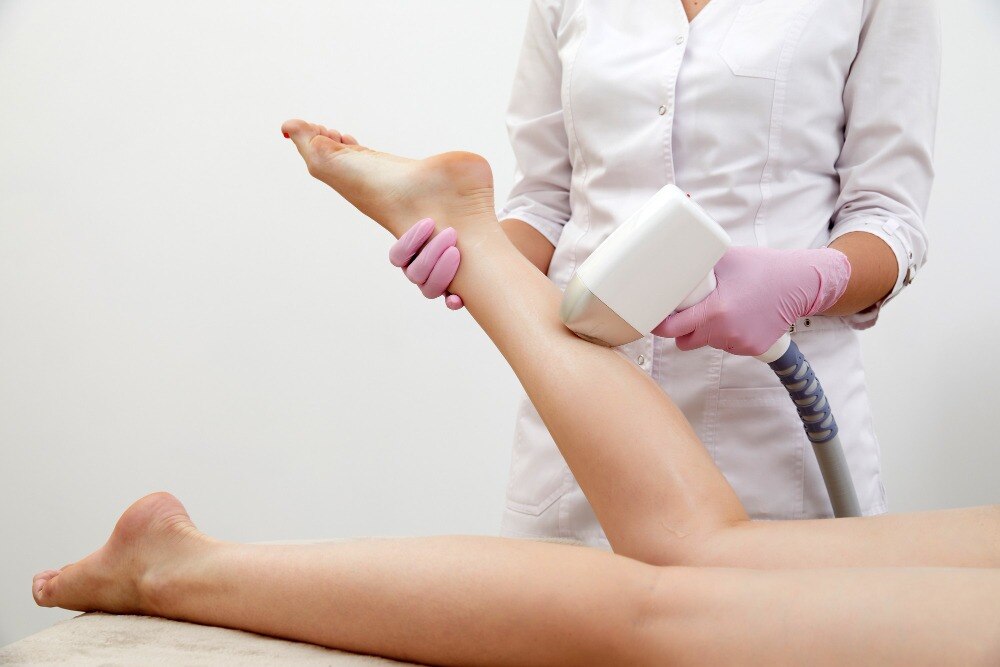
Several sessions are needed because Laser Hair Removal works best on hairs in the anagen, or active-growth, phase. Not every follicle enters that phase together, so appointments are spaced weeks apart according to the body area and your regrowth pattern.
Expect Unwanted Hair Reduction, not guaranteed total removal. Hair colour, thickness, skin tone, treatment area, hormonal changes, device wavelength, settings and appointment intervals affect the result. Regrowth can occur, and maintenance sessions may be needed. Shave or trim between appointments; do not wax, thread, tweeze or epilate, because pulling removes the follicle’s pigmented target.
Let treated hairs shed naturally instead of pulling them out.
Laser is not the only option. Compare the trade-offs before choosing:
| Option | Result and timing | Main limitation |
|---|---|---|
| Laser Hair Removal | Long-term reduction after several sessions | Regrowth and maintenance are possible |
| Waxing | Removes hair from the root for weeks | Can irritate skin and must stop before laser |
| Threading | Removes individual hairs from the root | Suits small areas, not large body zones |
| Shaving | Cuts hair at the surface; repeat as it grows | No reduction in follicle growth |
| Depilatory creams | Dissolve visible hair at the skin surface | Ingredients can irritate or burn sensitive skin |
| Electrolysis | Treats follicles individually and can permanently remove treated hairs | Slow for large areas and dependent on skilled technique |
Laser suits people seeking longer-lasting reduction over large areas. Electrolysis suits permanent treatment of selected follicles, including lighter hairs that laser cannot target effectively.
Choose a Consultation That Explains Settings and Safety
Ask the clinic to identify your skin tone, hair characteristics and treatment area before quoting a session plan. The practitioner should explain the device’s wavelength, energy settings, pulse duration, cooling method and treatment interval, rather than promise one setting for everyone.
| Ask about | What to confirm | Why it matters |
|---|---|---|
| Skin tone | How recent tanning, self-tanner or uneven pigmentation affects treatment; whether a test spot is needed | Extra pigment can absorb laser energy and raise the risk of burns or light or dark patches |
| Hair type | Whether dark, coarse, fine, grey, red or blonde hair is likely to respond | Laser targets pigment, so pale or lightly pigmented hair may respond poorly |
| Treatment area | Whether the area is suitable, especially near the eyes, and what eye protection will be used | Eyelids and the immediate eye area are particularly hazardous; protective eyewear is required near laser energy |
| Safety history | How isotretinoin, photosensitising medicines, keloids, cold sores or active skin disease change the plan | The clinic may postpone treatment or modify settings |
Request a patch test when you have darker skin, pigment concerns, changed medication or an unfamiliar device. It helps assess the immediate response but cannot rule out delayed reactions, so ask what warning signs require advice and request written Hair Removal Aftercare.
DermaBright-Skin Hair Body Specialist 08048128125 should be able to explain these choices for your specific area, not merely schedule a generic Laser Hair Treatment.
Related services
Hair Treatments Hair Light Treatment Specialist Best Hair Light (Laser Hair Removal) Treatment in Baner, Pune at Derma Bright Looking for a safe, long-lasting solution to unwanted hair? At Derma... View service → |
Body Treatments Laser Hair Removal Treatment Specialist In Baner, Aundh, Pashan, Balewadi Best Laser Hair Reduction Specialist in Baner, Pune – Derma Bright Skin Hair Laser Looking for a safe, permanent, and painless solution for unwanted... View service → |
Frequently asked questions
When should you stop waxing, threading, tweezing or epilating before laser hair removal?
Stop these follicle-removing methods seven days before your appointment. Shaving leaves the hair root in place for the laser target.
What should you do if your skin is tanned before laser hair removal?
Tell the clinic about recent sun exposure, tanning products or a sunburn. Postpone treatment on recently tanned or sunburned skin until the clinician confirms it is safe.
What does laser hair removal aftercare involve?
Cleanse gently, avoid irritating products and protect treated skin from sunlight. Do not pull out hairs that appear to shed; let them extrude naturally.
Does laser hair removal permanently remove every unwanted hair?
Laser treatment provides gradual hair reduction rather than a guarantee that every hair disappears. Results vary by body area, hair colour, skin tone and growth cycle, so maintenance sessions may be needed.
What should you ask during a laser hair removal consultation?
Ask who will perform the treatment, which device and settings they plan to use, how they assess your skin and hair, what risks apply, and which aftercare steps they require.
Keywords