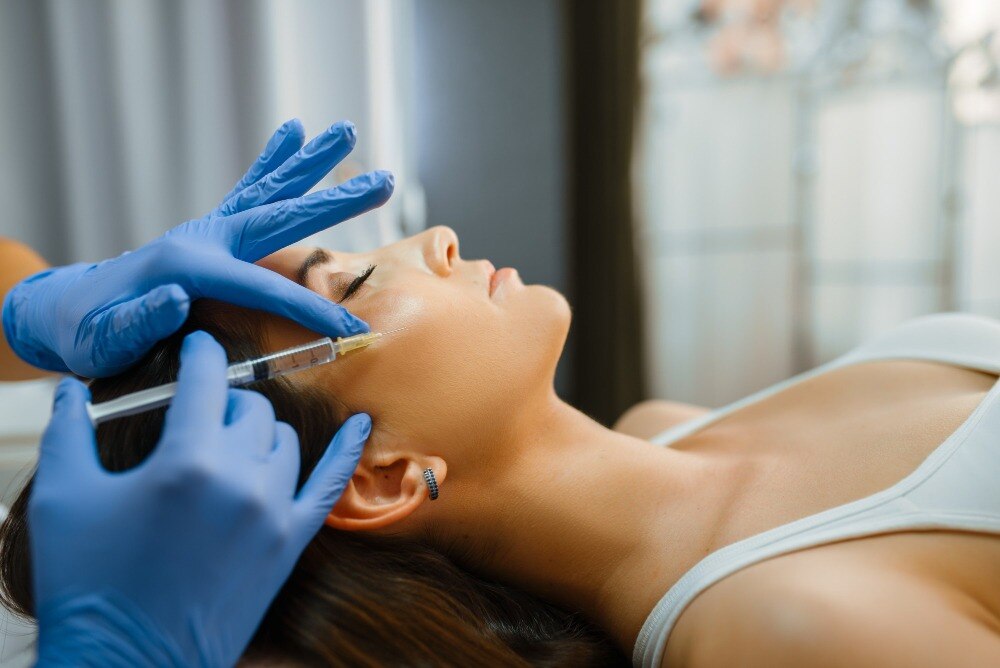
Forehead lines become more visible when the frontalis muscle repeatedly lifts the eyebrows, while frown lines and crow’s-feet form through other facial movements. By the end, you will know which wrinkles Botox Treatment can soften, what happens before and after injections, and how to judge whether the result fits your face and goals.
Key takeaways
- Botox reduces muscle movement that repeatedly folds forehead skin.
- Assessment should include forehead, frown and eyebrow movement patterns.
- Results develop after treatment rather than appearing immediately.
- Follow-up helps preserve natural movement and monitor safety.
How Botox softens movement-related forehead lines
Botox Treatment reduces Forehead Wrinkles by temporarily weakening the nerve signals that make the forehead muscle contract. It blocks acetylcholine release at the nerve–muscle junction, so the targeted muscle moves less when you raise your eyebrows. With fewer repeated folds, Expression Lines soften while the medicine remains active; it does not erase skin crease directly.
That distinction matters because movement-related lines soften more reliably than static wrinkles. A dynamic line appears during a facial movement; a static crease remains when your face is relaxed. Botox can partly improve a longstanding crease, but it will not correct sun-related skin ageing or lost facial volume because it targets muscle movement.
The frontalis muscle raises the eyebrows and creates much of the horizontal forehead pattern seen during facial expression. For that reason, Botox Cosmetic is approved for temporary improvement of moderate-to-severe forehead lines in adults when used with glabellar-line treatment.
Excessive weakening can cause a heavy brow, uneven brows, drooping eyelids or difficulty raising the eyebrows normally.
Which muscles and wrinkle patterns need assessment?
A practitioner should assess your forehead at rest and while you raise your eyebrows, frown, smile and squint. This reveals whether Forehead Wrinkles are dynamic Expression Lines caused by muscle contraction, or etched creases that remain visible without movement.
| Area or pattern | Muscle and movement assessed | Why it matters |
|---|---|---|
| Horizontal forehead lines | Frontalis muscle during eyebrow elevation | Weakening it excessively can create a heavy brow or worsen eyelid drooping. |
| Glabellar lines | Corrugator supercilii and procerus during frowning | The central brow needs assessment with the forehead because it affects brow support and balance. |
| Crow’s-feet | Orbicularis oculi during smiling and squinting | Outer-eye movement and existing asymmetry influence injection placement and dose. |
| Resting creases | Lines visible with the face relaxed | Botox targets muscle activity; established skin folds may only partly soften. |
| Brow and eyelid position | Baseline height, symmetry and upper-eyelid heaviness | Pre-existing ptosis or uneven brows can become more noticeable after treatment. |
The assessment should include the full upper face, not just the deepest line. The practitioner should note which muscles dominate, how much useful forehead movement you want to retain, and whether one side contracts more strongly. Review previous injections, eyelid or brow surgery, medicines that increase bruising, and any history of drooping before consenting.
A treatment plan that ignores these details can leave you with uneven brows, reduced expression or temporary ptosis.
What happens during treatment and when will you see results?
Expect a consultation before any needle touches your skin. The practitioner will watch your face at rest and during frowning, raising your eyebrows and smiling, then review your goals, medical history and medicines. Tell them about:
- Neuromuscular disorders or previous swallowing or breathing problems
- Allergies, recent botulinum-toxin treatment and medicines that affect neuromuscular transmission
- Infection or inflammation at the planned injection site
- Any previous eyelid or brow drooping after treatment
An active injection-site infection or serious hypersensitivity to a botulinum-toxin product or its ingredients rules out treatment. After discussing benefits, risks and consent, the practitioner marks injection points and selects a dose that limits muscle activity without unnecessarily removing forehead movement.
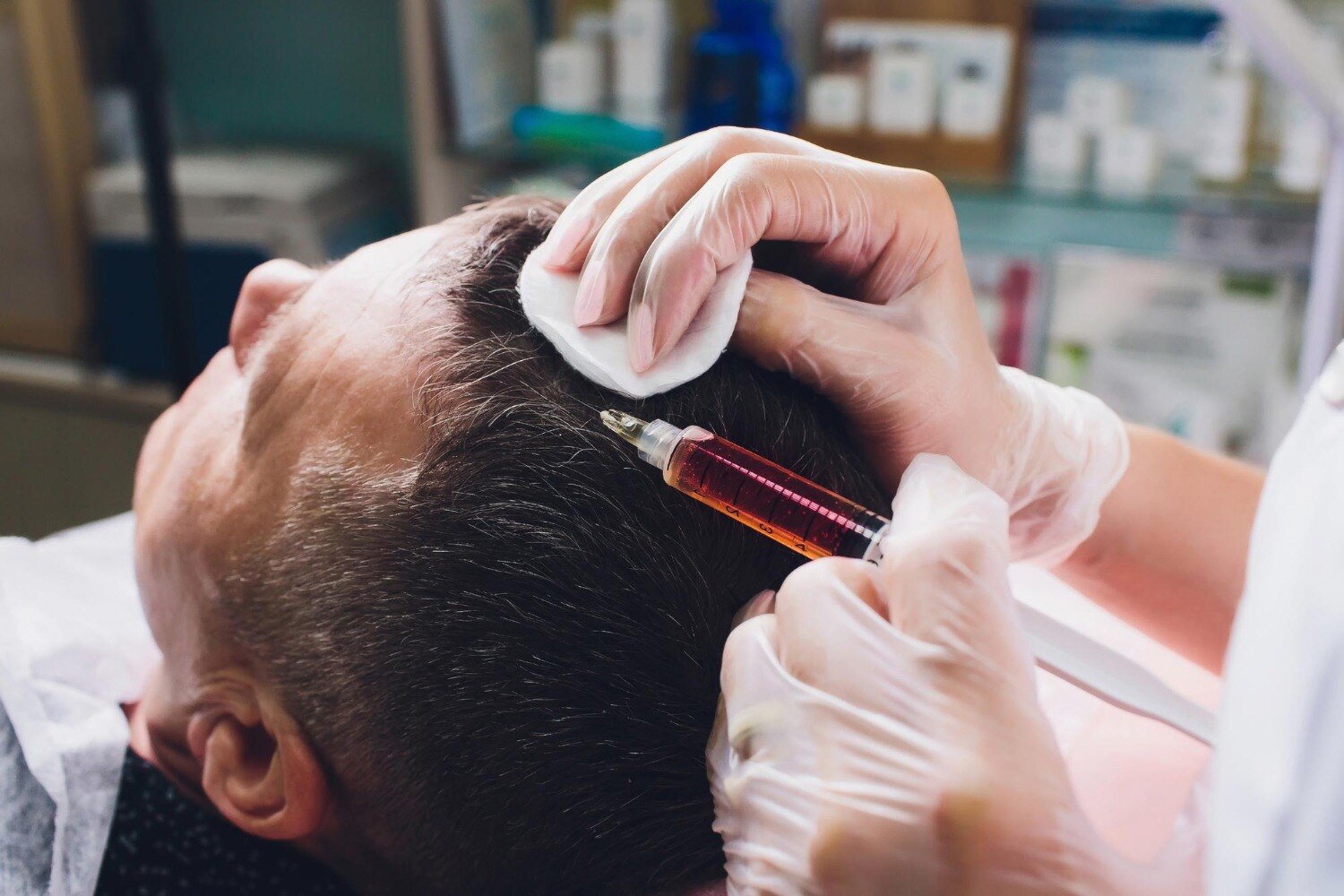
The injections use a fine needle and cause brief pinching or stinging. Small raised spots, redness, swelling, tenderness, bruising or a headache can follow. Do not rub or press the treated area, and follow the injector’s instructions about exercise, heat and makeup.
Changes often begin within a few days, while the result is assessed more reliably around two weeks. Temporary local weakness is expected; excessive weakening can cause a heavy brow, uneven brow position, eyelid or brow drooping, or difficulty raising the eyebrows. These effects can last weeks.
Seek urgent medical assessment for generalized weakness, double vision, difficulty swallowing, speaking or breathing after Botox Treatment.
How practitioners preserve natural movement and manage safety
A natural-looking result comes from weakening enough muscle to soften Expression Lines while preserving useful forehead movement. Excessive weakening can make the brow feel heavy, shift one brow higher than the other, or make eyebrow raising difficult. A frozen upper face is a possible outcome, not the target.
The frontalis lifts the eyebrows and creates horizontal forehead creases. If it is weakened without considering existing brow support and the glabellar region, the brow or upper eyelid can droop. Injection points therefore need to respect the muscle’s role rather than treating every visible line with the same dose.
Practitioners assess your face at rest and while you raise your eyebrows or frown. They compare brow height and muscle strength on each side, then use a conservative dose and carefully placed injections to preserve expression. Uneven muscle activity requires adjustment rather than simply adding more product.
Tell the practitioner about relevant medical conditions, medicines, and any previous reaction to a neuromodulator before treatment. Seek review if you develop marked eyelid drooping, significant asymmetry, or unusual weakness after injections.
Daily broad-spectrum sunscreen remains part of Anti Ageing Care because Botox does not repair ultraviolet-driven skin ageing or etched lines visible when your face is relaxed.
How to plan follow-up care for lasting improvement
Judge the result after about 10–14 days, not the next morning. Compare relaxed and raised-eyebrow photographs taken in the same lighting, and note movement, symmetry, brow position and any remaining Forehead Wrinkles.
1. Attend the planned review around 10–14 days after Botox Treatment. Ask whether the dose or injection pattern needs adjustment; do not request extra treatment simply because a crease remains at rest, since that line may be etched into the skin rather than caused by active muscle movement.
2. Record when forehead movement and lines begin returning. A maintenance appointment is usually considered around three to four months, or when your previous effect is clearly fading, rather than automatically repeating injections on a fixed early schedule. Your clinician should reassess muscle strength, brow support and your goals each time.
3. Support the result with daily broad-spectrum sunscreen rated SPF 30 or higher, shade and no intentional tanning. Add a gentle cleanser, moisturiser and clinician-approved topical care; a retinoid can address skin texture over time but is not suitable for everyone.
Botox does not correct ultraviolet pigmentation, rough texture, volume loss or every static crease, so ask which concern needs a separate approach instead of increasing the dose. At DermaBright-Skin Hair Body Specialist 08048128125, ask for follow-up photographs and a written plan showing the review date, expected duration and warning signs that require contact.
Seek prompt medical advice for marked eyelid or brow drooping, vision changes, trouble swallowing or breathing.
Related service
Skin Treatments Botox Treatment Specialist In Baner, Aundh, Pashan, Balewadi Looking for a trusted clinic for Botox treatment in Baner, Pune? Welcome to DermaBright – Skin Hair Laser Clinic, your destination for safe,... View service → |
Frequently asked questions
How does Botox soften forehead lines?
Botox temporarily reduces nerve signals to targeted muscles, limiting repeated contractions that deepen expression lines.
Which muscles need assessment before forehead Botox?
A practitioner assesses the frontalis muscle, frown-related muscles and eyebrow movement to match treatment with your wrinkle pattern.
When will you see results after Botox treatment?
Changes develop after treatment as muscle activity decreases; timing varies with the treated muscles and individual response.
How do practitioners preserve natural facial movement?
They assess muscle strength and movement, target only selected areas and use follow-up checks to manage balance and safety.
Keywords