Noticing extra hair on the pillow, reduced density near the parting, plus gradual scalp visibility can be concerning. Hair PRP is a procedure commonly explored by people experiencing certain forms of hair thinning.
PRP stands for platelet-rich plasma. The procedure uses a concentrated component prepared from the patient's own blood, which is then introduced into selected scalp areas under professional supervision.
For patients in Wakad, Pune, the first question should not simply be whether PRP is available. The more useful question is whether the treatment matches the cause plus stage of hair loss.
How Does Hair PRP Work?
A small blood sample is collected, then processed using centrifugation to separate platelet-rich plasma.
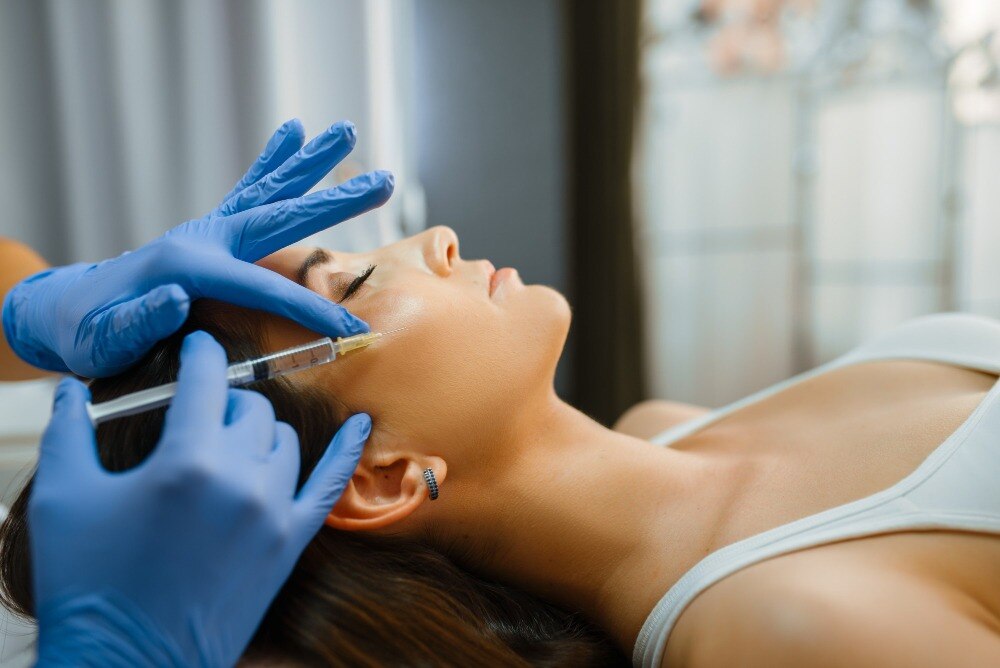
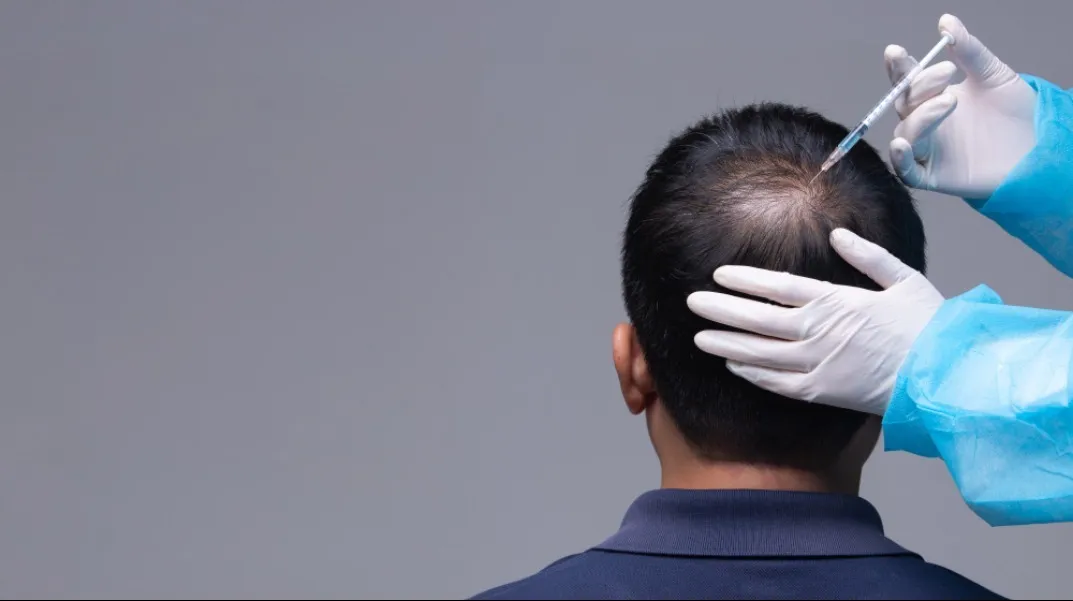
The prepared PRP is introduced into targeted areas of the scalp through small injections.
Platelets contain growth-related biological factors. PRP treatment is used with the aim of supporting existing follicles plus improving the environment around suitable hair roots.
It cannot create entirely new follicles where follicles are permanently absent.
Who May Be a Suitable Candidate?
Suitability depends upon diagnosis.
PRP may be considered in selected patients experiencing progressive thinning where viable follicles remain. The clinician may assess
- Hair-loss pattern
- Duration of thinning
- Family history
- Scalp condition
- Hair density
- Existing follicle activity
- Medical history
- Previous treatments
- Nutritional factors
A person experiencing sudden shedding may need investigation before a procedure is selected.
When Should You Investigate Hair Loss First?
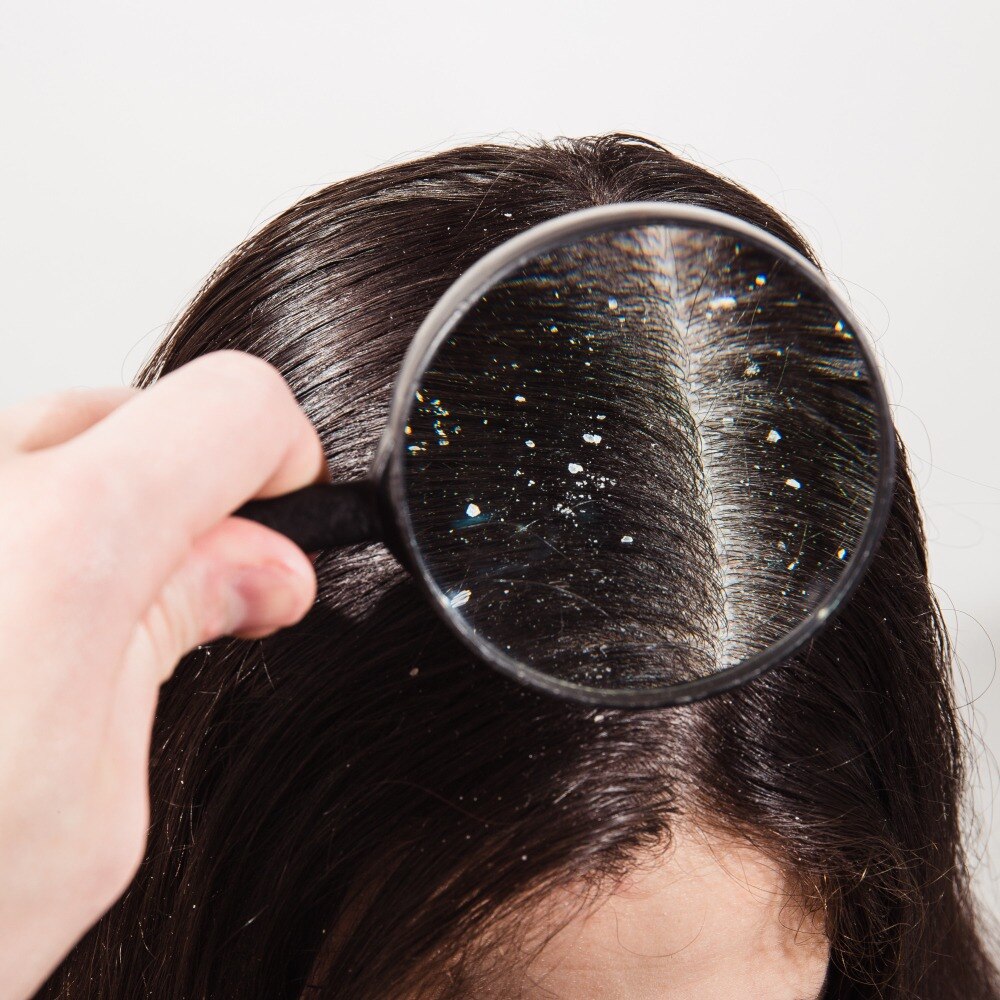
Hair thinning can have several contributing factors.
These may include nutritional deficiencies, thyroid-related problems, stress-related shedding, hormonal changes, genetic hair loss, scalp disorders, certain medications, plus major illness.
If the underlying trigger is not addressed, relying solely on an injectable procedure may provide limited value.
A professional assessment can determine whether additional testing is appropriate.
What Is the Treatment Experience Like?
Blood collection occurs first. The sample is processed, then the scalp is prepared for treatment.
Patients may feel multiple small pricks during scalp injections. Comfort measures can be discussed before the procedure.
Temporary tenderness, mild swelling, pinpoint redness, plus scalp sensitivity may occur after treatment.
The clinician may provide instructions concerning hair washing, exercise, topical products, plus scalp care following the session.
How Many Sessions Are Needed?
There is no single schedule suitable for every patient.
The recommended number of sessions can depend upon hair-loss severity, response, treatment goals, plus clinical protocol.
Hair grows slowly, so treatment should not be evaluated after only a few days. Changes in shedding, hair calibre, density, plus photographic comparisons may be reviewed over time.
Maintenance sessions may be discussed for suitable patients.
What Makes PRP Worth Considering?
PRP becomes a more sensible option when
- The hair-loss cause has been assessed
- Suitable follicles remain
- Expectations are realistic
- The patient understands that results vary
- A structured treatment plan exists
- Progress will be monitored
It becomes less useful when chosen solely because it is popular on social media.
Hair-Loss Assessment in Wakad
DermaBright evaluates hair thinning for patients from Wakad plus nearby Pune locations before deciding whether Hair PRP fits the clinical picture. Assessment can also identify cases where medical management, nutritional correction, scalp treatment, plus another hair-restoration approach deserves consideration.
Early evaluation can be valuable because gradual thinning is sometimes easier to overlook than sudden hair fall.
Hair PRP is not a universal solution for every type of hair loss. Its value depends upon candidate selection, treatment technique, follicle condition, consistency, plus management of underlying factors. A diagnosis-led approach helps patients decide whether PRP is a sensible part of their hair-care plan.
Keywords