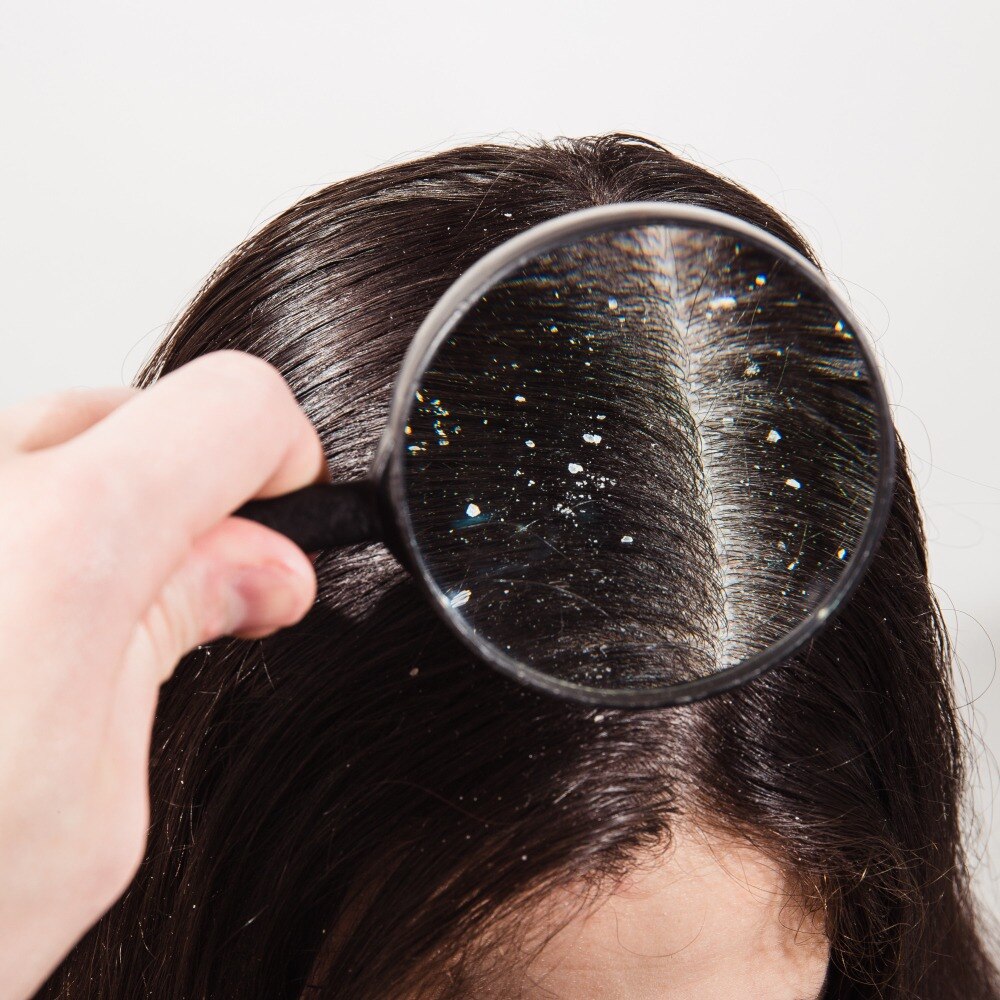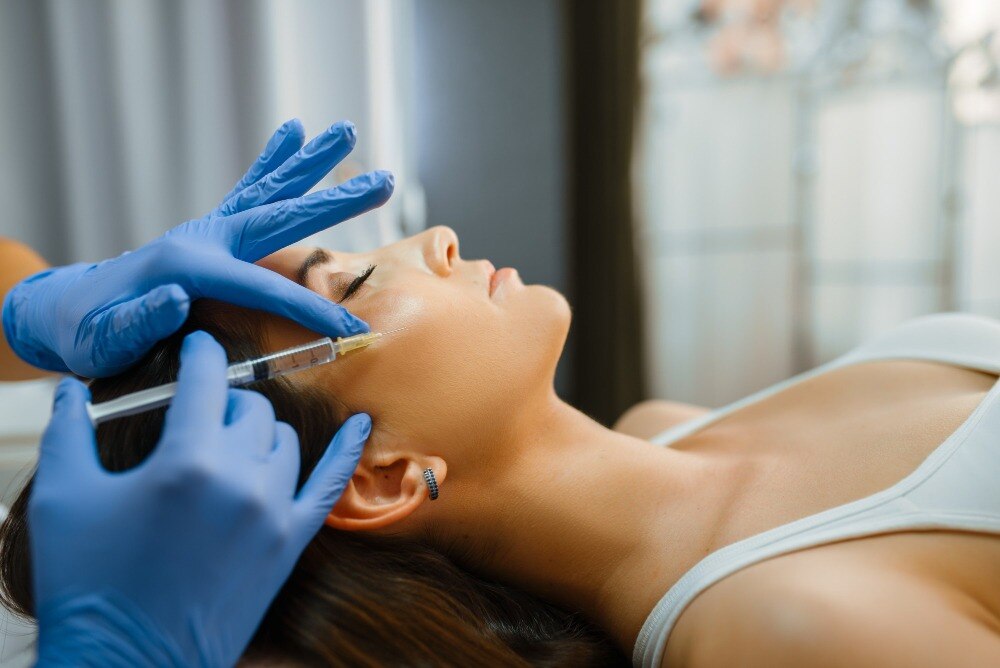
People researching treatments for thinning hair increasingly encounter Hair GFC, also known as growth factor concentrate treatment. It is used in selected hair-restoration plans with the aim of supporting existing follicles through concentrated growth factors.
For people in Pashan, Pune, GFC may be worth discussing when hair density is gradually reducing, the parting appears wider, plus early pattern thinning is becoming noticeable.
The procedure should still begin with diagnosis because different forms of hair loss require different management.
What Is Hair GFC?
GFC is prepared from a patient's blood through a specialised processing protocol intended to obtain concentrated growth factors.
The resulting preparation is introduced into selected scalp areas.
Growth factors play roles in cellular communication plus tissue processes. In hair treatment, the aim is to support suitable follicles that are still present but may be producing progressively thinner strands.
The treatment cannot restore follicles that no longer exist.
Why Candidate Selection Matters
Two people with visible hair thinning can have completely different underlying causes.
Possible contributors include
- Genetic pattern hair loss
- Nutritional deficiencies
- Hormonal changes
- Stress-related shedding
- Scalp inflammation
- Thyroid-related changes
- Recent illness
- Certain medicines
- Rapid weight changes
A clinician may therefore examine the scalp, hair-loss distribution, family history, shedding pattern, plus medical background before suggesting GFC.
Signs That Professional Assessment May Be Useful
People often wait until scalp visibility becomes substantial before seeking help.
Earlier evaluation may be appropriate when you notice
- Progressive widening of the hair part
- Reduced density near the crown
- Receding areas
- Increasingly fine hair strands
- Persistent shedding
- Reduced ponytail thickness
- Visible scalp under normal lighting
Sudden patchy hair loss requires specific evaluation because it may represent a condition requiring another form of treatment.
What Happens During a GFC Session?
A blood sample is collected first. It is processed according to the treatment system used by the clinic.
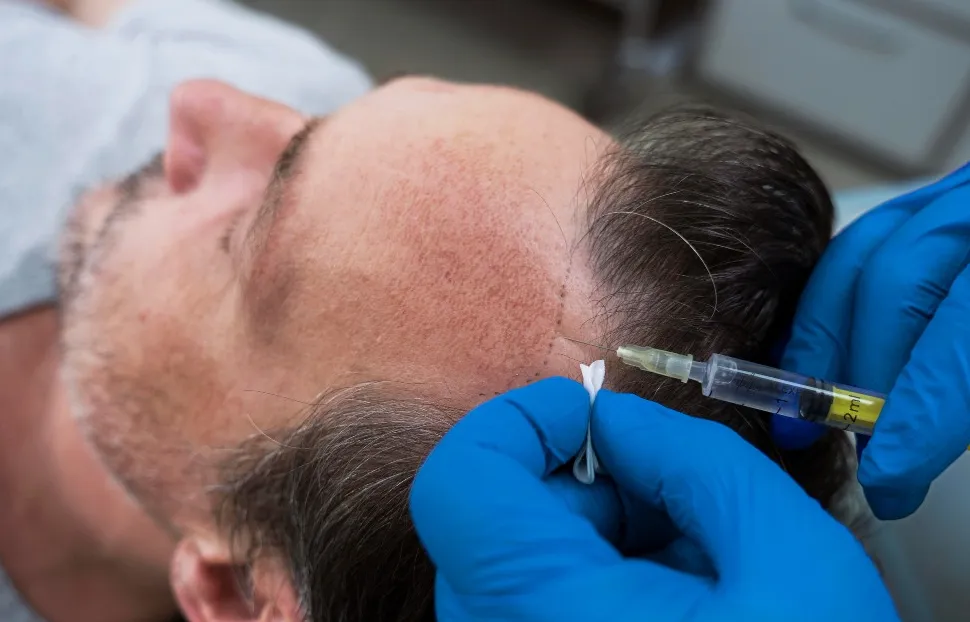
Once the concentrate is prepared, the scalp is cleaned, then the material is delivered into targeted areas.
Small injections can cause temporary discomfort. Mild scalp tenderness, redness, plus sensitivity may occur afterward.
Patients should follow clinic instructions concerning scalp washing, topical medication, physical activity, plus post-procedure care.
When Can Results Be Evaluated?
Hair biology works slowly.
A person should not expect meaningful density changes immediately after treatment. Clinicians may assess shedding patterns, hair thickness, scalp photographs, plus density over a longer period.
The number of sessions depends upon the treatment protocol plus individual response.
Results vary because follicle health, age, hair-loss stage, underlying conditions, plus consistency all influence the outcome.
What Should You Ask Before Starting?
Useful questions include
- What type of hair loss do I have?
- Are active follicles still present?
- What is the proposed treatment schedule?
- How will progress be documented?
- Do I need blood tests?
- What additional treatment may be needed?
- What results are realistic for my current stage?
These questions provide more useful information than selecting a procedure based solely upon online popularity.
GFC Treatment Planning in Pashan
DermaBright assesses patients from Pashan plus surrounding Pune areas who are experiencing hair thinning. The evaluation can help establish whether Hair GFC is appropriate, whether another treatment should be considered, plus whether underlying contributors require attention.
Professional hair restoration is rarely about one procedure in isolation. Scalp health, nutrition, medical factors, hair-care practices, plus genetic influences can all affect progress.
Hair GFC may offer a treatment option for selected patients with viable follicles. The strongest starting point remains an accurate assessment followed by realistic treatment planning, consistent follow-up, plus objective monitoring of hair changes.
Keywords