Face PRP Treatment uses platelet-rich plasma prepared from a small sample of the person’s own blood. The plasma contains a concentrated portion of platelets, which are involved in the body’s normal healing responses. In aesthetic practice, PRP may be used to support skin rejuvenation and improve selected concerns.
Research into facial PRP continues to develop. Some people may notice improvements in texture or overall skin quality, but results are variable. It should not be described as a facelift, permanent anti-ageing solution or guaranteed method of producing younger-looking skin.
How PRP Is Prepared
The procedure generally begins with a blood draw. The sample is placed in a centrifuge, which separates its components. The platelet-containing portion is then collected using a defined clinical protocol.
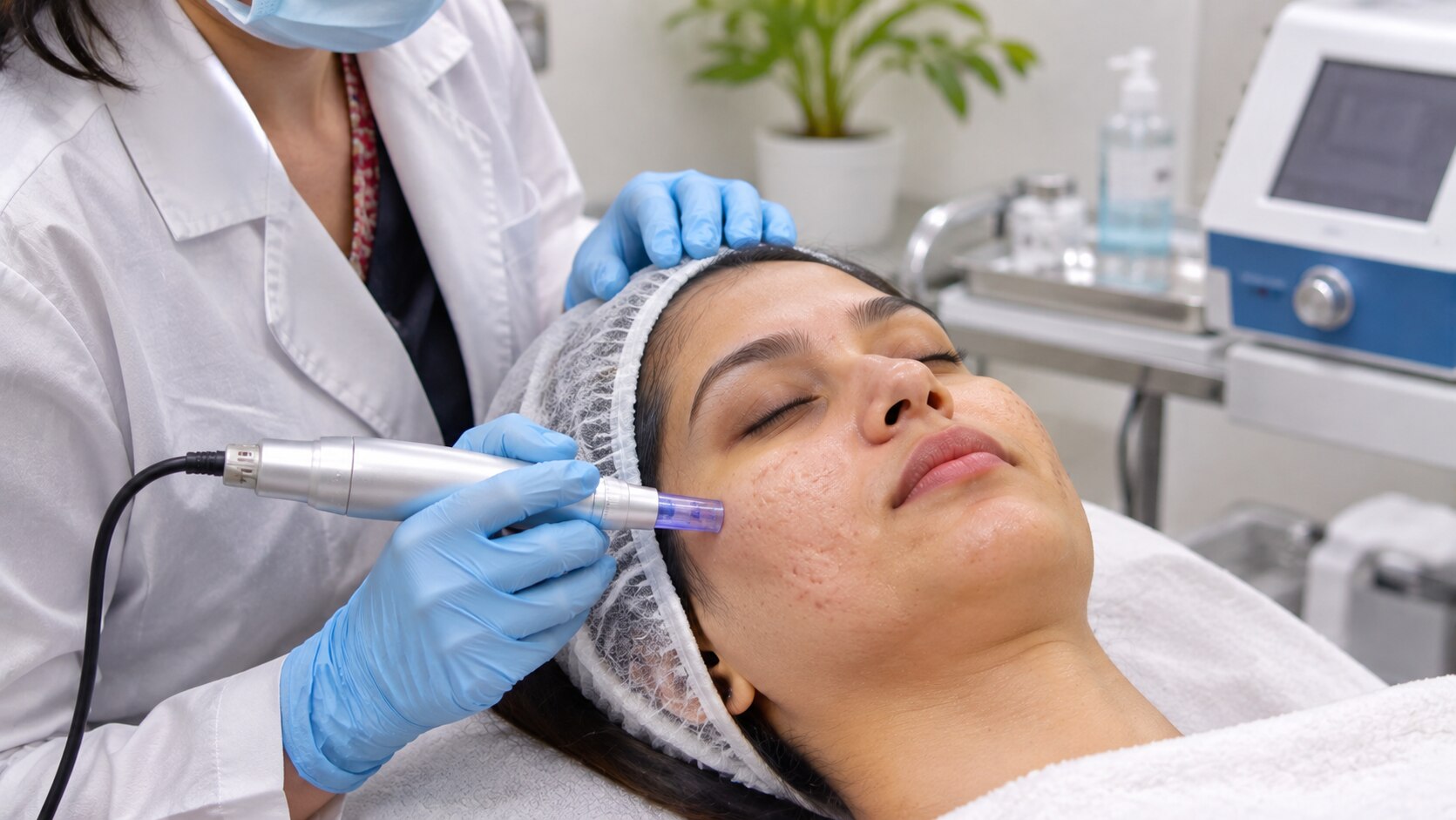
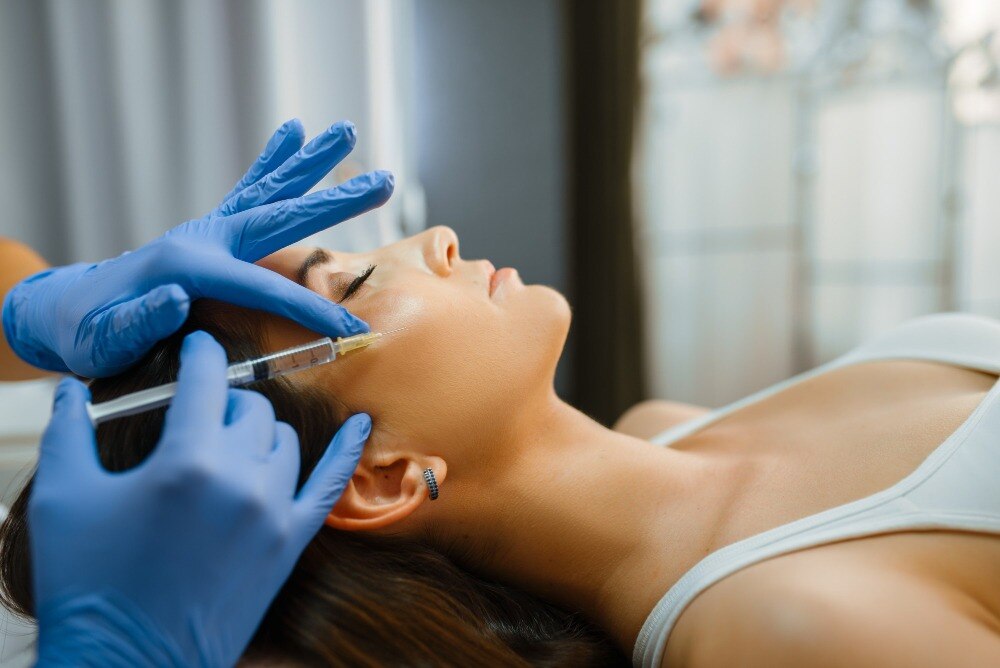
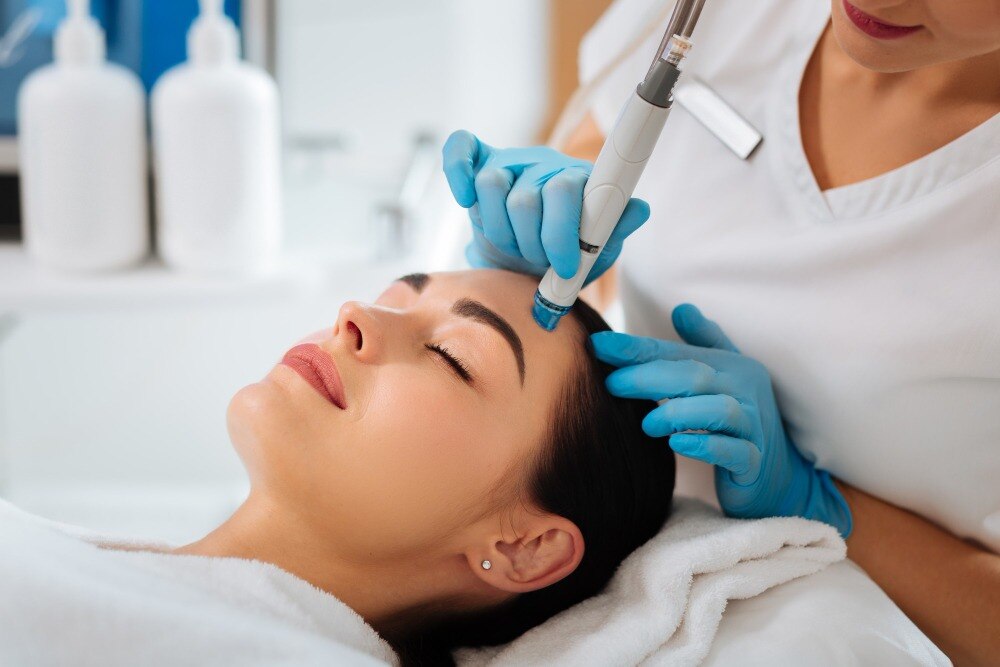
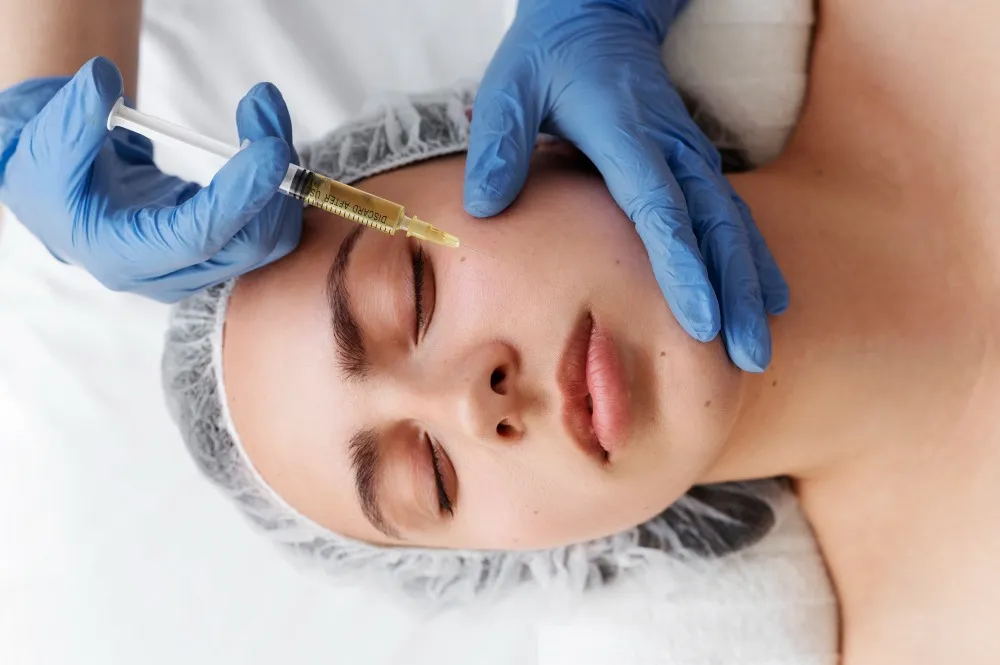
PRP may be introduced into selected facial areas through controlled injections. In some treatment plans, it may be combined with microneedling. These are distinct procedures, and the practitioner should explain how the PRP will be used before obtaining consent.
Why People Consider Facial PRP
Face PRP Treatment may be discussed for concerns such as:
- Uneven-looking skin texture
- Early fine lines
- Mild acne-scar appearance
- General skin rejuvenation
- Skin that appears tired or less firm
Suitability cannot be determined by age alone. Medical history, skin condition, expectations and the severity of the concern all influence whether PRP is appropriate.
What to Discuss Before the Session
A consultation should cover medicines, supplements and conditions that may affect bleeding, bruising or healing. The provider should also know about active acne, facial infections, cold sores, recent procedures and any history of abnormal scarring.
Important questions include:
- What concern is the treatment intended to address?
- Will the PRP be injected or used with another procedure?
- What preparation and separation protocol is followed?
- What short-term effects are expected?
- How much recovery time may be needed?
- Which aftercare products should be avoided?
People with certain blood disorders, active infections or other medical concerns may not be suitable candidates. A proper health review is therefore essential.
Recovery and Temporary Effects
Redness, tenderness, swelling, pinpoint bleeding or bruising may occur after Face PRP Treatment. These effects commonly settle over time, but recovery differs between individuals. The face should be treated gently, and unnecessary rubbing, exfoliation or use of irritating products should be avoided until advised otherwise.
Clean technique is important because PRP preparation and administration involve blood handling and disruption of the skin. Treatment should be performed in an appropriate clinical environment with clear infection-control practices.
Setting Realistic Expectations
People exploring Face PRP Treatment in Pimple Nilakh often travel from nearby Wakad, Baner, Balewadi and other areas of Pune and PCMC. Climate, daily sun exposure and existing skincare habits can influence the overall condition of the skin, although they do not determine PRP results by themselves.
At DermaBright, facial assessment can help distinguish concerns that may respond to PRP from those requiring acne management, pigmentation treatment, resurfacing or another approach. PRP is best understood as a possible component of an individualised skin plan, with outcomes assessed gradually and without promises of uniform transformation.
Keywords