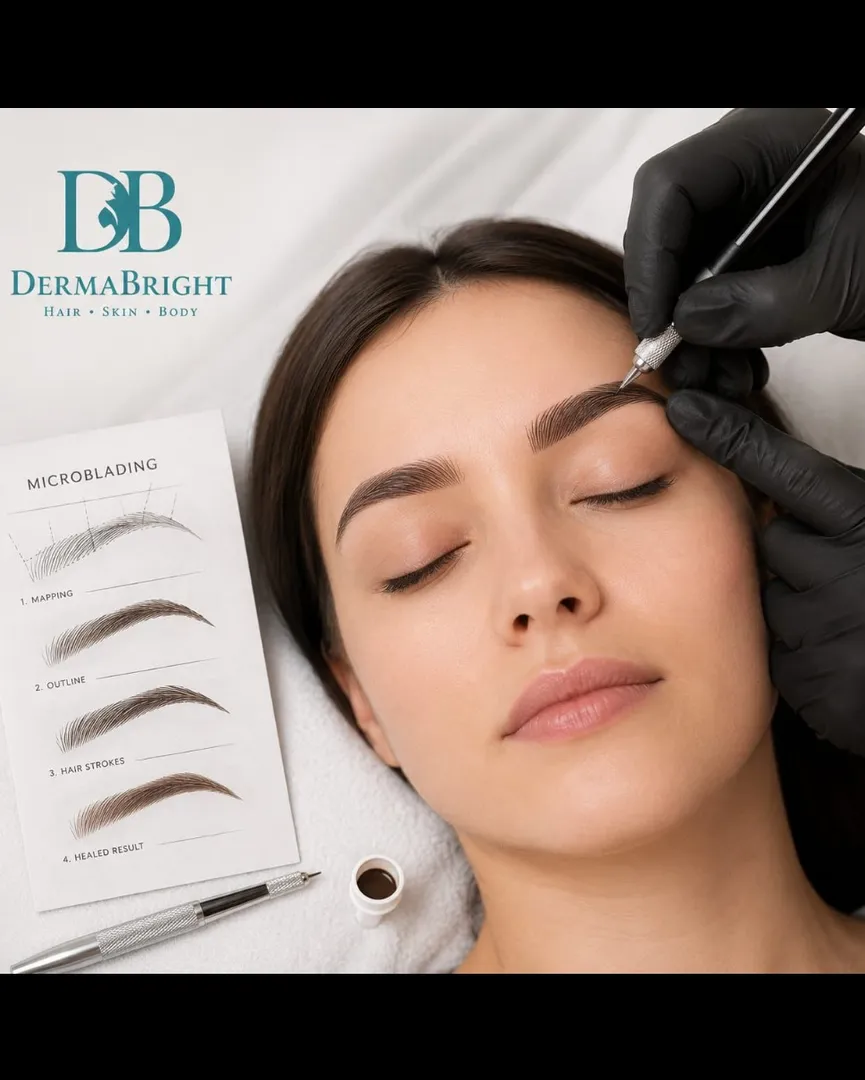
Eyebrow microblading is a cosmetic tattooing technique used to create the appearance of fuller, more defined eyebrows. Using a handheld tool with ultra-fine needles, a trained technician deposits pigment into the upper layers of the skin to mimic individual hair strokes. The result is semi-permanent enhancement that blends with natural brow hair, typically lasting 12 to 24 months depending on skin type, lifestyle, and aftercare. Unlike traditional eyebrow tattoos that use a machine and deeper penetration, microblading produces softer, more natural-looking strokes that fade gradually over time.
Microblading is not a one-size-fits-all solution, and the best results depend on your skin type, brow goals, and choosing a certified artist who follows strict hygiene and color-matching protocols.
How Microblading Differs From Other Brow Treatments
Microblading falls under the broader category of permanent makeup, but it has key differences from other brow enhancement methods:
Microblading vs. Ombre/Powder Brows
Microblading creates fine, hair-like strokes, making it ideal for people with sparse or patchy brows who want a natural finish. Ombre or powder brows use a shading technique with a machine, resulting in a softer, filled-in makeup look. Many artists now combine both techniques, called “combo brows, ” for added depth.
Microblading vs. Traditional Tattooing
Traditional eyebrow tattoos often use deeper pigment placement and can turn blue, green, or gray over time. Microblading deposits pigment more superficially, so it fades more naturally and is easier to adjust or remove as brow trends change.
Microblading vs. Brow Lamination or Tinting
Brow lamination and tinting are non-invasive and temporary, lasting 4 to 8 weeks. Microblading is semi-permanent and involves breaking the skin, so it requires more healing time and carries different risks and aftercare requirements.
The Microblading Procedure: What to Expect
1. Consultation and Brow Mapping
A reputable artist will start with a consultation to discuss your desired shape, color, and brow density. They’ll measure your facial features and map out a shape that complements your bone structure. This step is crucial for achieving symmetry and a natural result.
2. Numbing and Pigment Selection
A topical numbing cream is applied to minimize discomfort. The artist will also mix pigments to match your natural hair color and skin undertone. Pigment choice matters because colors can shift slightly as they heal.
3. Stroke Application
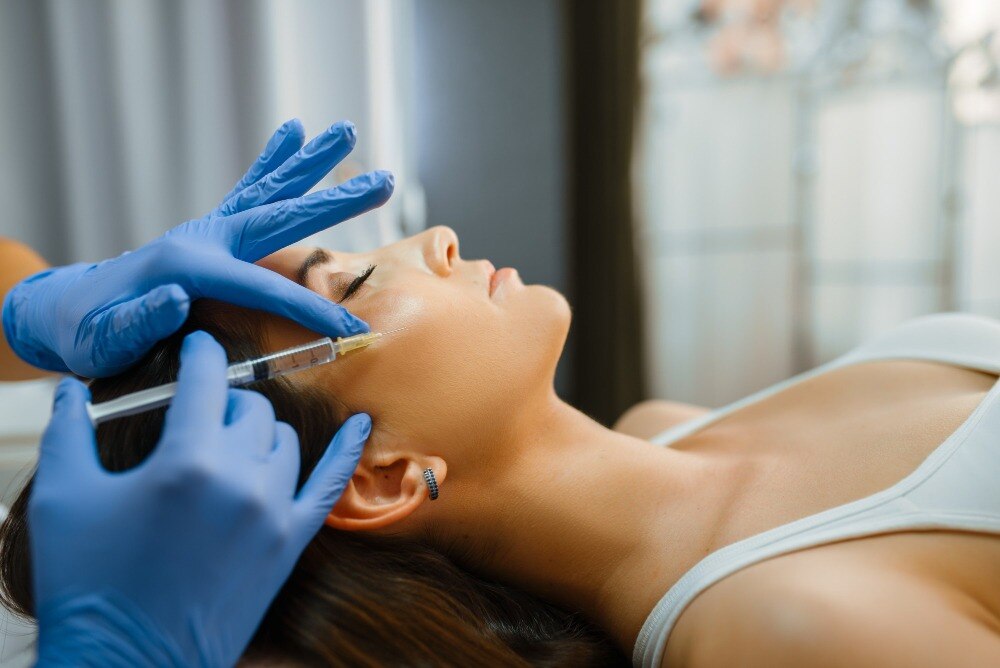
Using the microblading tool, the artist creates small incisions and deposits pigment to form hair-like strokes. The process typically takes 1.5 to 2 hours for the initial session. You may feel slight pressure but not sharp pain due to the numbing agent.
4. Touch-Up Session
A follow-up appointment 6 to 8 weeks later is standard. This allows the artist to adjust stroke density, fill in any areas where pigment didn’t retain well, and refine the shape after initial healing.
Healing, Aftercare, and Longevity
Healing happens in stages over 4 to 6 weeks. Immediately after, brows may look darker and bolder than expected. Over the next 7 to 10 days, scabbing and light flaking occur. Color will soften as the skin heals and reveals the final result.
Key aftercare steps:
- Keep brows dry for the first 7 to 10 days. Avoid sweating, swimming, and direct water contact.
- Do not pick or scratch scabs, as this can lead to patchy healing or scarring.
- Avoid makeup, retinoids, acids, and sun exposure on the brow area during healing.
- Follow any specific instructions from your artist, as protocols can vary.
Longevity depends on several factors:
- Skin type: Oily skin tends to retain pigment for less time than dry or normal skin.
- Lifestyle: Sun exposure, frequent exfoliation, and certain skincare products accelerate fading.
- Pigment and technique: High-quality pigments and proper depth placement improve retention.
Most people need a color boost or touch-up every 12 to 18 months to maintain shape and saturation.
Who Is a Good Candidate for Microblading
Microblading works well for people with:
- Sparse, overplucked, or uneven brows
- Alopecia or hair loss affecting brows
- Desire for low-maintenance brow definition
It may not be suitable for:
- Individuals with certain skin conditions like eczema, psoriasis, or keloid scarring in the brow area
- Pregnant or nursing individuals
- People taking blood thinners or with uncontrolled diabetes
- Those with very oily skin, as retention may be poor
A consultation with a qualified artist and, if needed, a medical professional can help determine if microblading is appropriate for you.
Risks and Considerations
Like any procedure that breaks the skin, microblading carries risks if not performed under hygienic conditions. Potential issues include:
- Infection if tools are not sterile
- Allergic reaction to pigments
- Scarring if aftercare is not followed or technique is too aggressive
- Unsatisfactory color or shape if the artist lacks training
To reduce risk, verify that your artist is licensed, uses single-use needles, and works in a clean, professional setting. Ask to see healed results, not just fresh work, to understand how their pigment and technique age.
Cost and Finding a Qualified Artist
Pricing varies by location, artist experience, and whether a touch-up is included. In the U.S., initial microblading typically ranges from $300 to $800, with touch-ups costing $100 to $300. Prices below this range may indicate lack of training or use of non-sterile equipment.
When researching artists:
1. Review portfolios for consistent, healed results.
2. Confirm licensing and bloodborne pathogen training.
3. Ask about pigment brands, numbing methods, and aftercare support.
4. Avoid artists who promise “permanent” results or guarantee specific outcomes, as healing is individual.
Maintaining Your Microbladed Brows
Long-term maintenance involves protecting brows from UV damage with SPF, avoiding harsh skincare ingredients directly on the area, and scheduling periodic touch-ups. As pigment fades, you can adjust color or shape to suit changing preferences without being locked into one look indefinitely.
Microblading can be an effective option for enhancing brow appearance when done by a skilled professional and maintained with proper care. Results are semi-permanent, customizable, and designed to complement your natural features rather than replace them.
Keywords