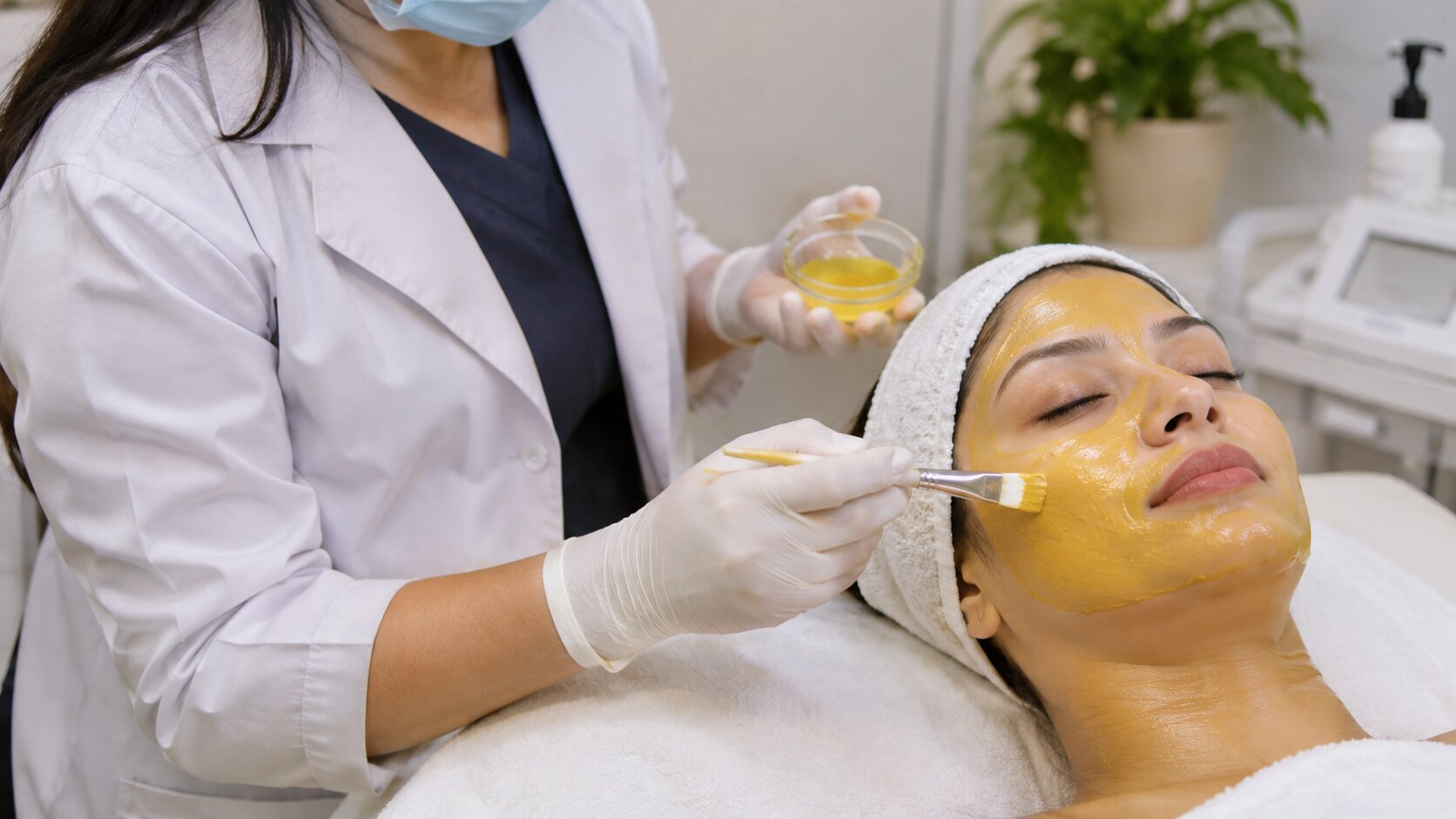
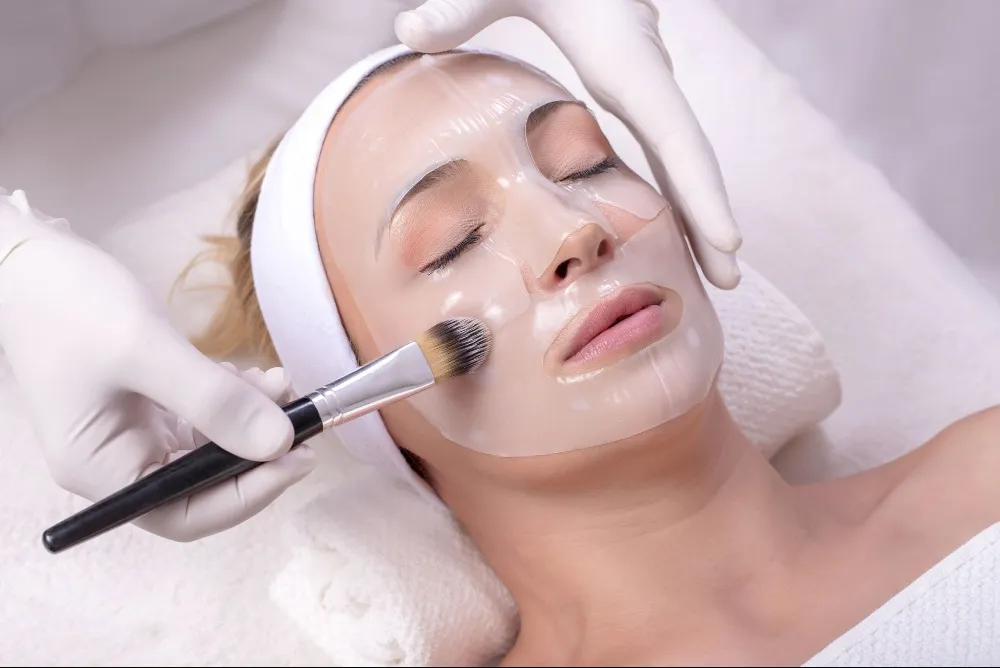
A Brightening Peel is commonly explored by people concerned about dullness, uneven tone or superficial marks. It uses a controlled chemical solution to exfoliate selected layers of the skin. As old surface cells shed, the skin may gradually appear smoother and more even.
The word “brightening” refers to improving the appearance of dull or uneven skin. It should not be confused with changing a person’s natural complexion. Ethical treatment planning focuses on skin health and visible concerns rather than promoting unrealistic ideas about skin colour.
Which Concerns May Be Suitable
Depending on the formulation and peel depth, a Brightening Peel may be considered for:
- Mild sun-related unevenness
- Superficial post-acne marks
- Dull or rough-looking skin
- Uneven surface texture
- Mild pigmentation in selected cases
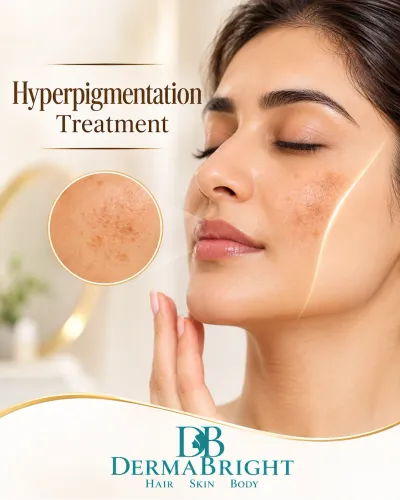
Not every dark patch is the same. Melasma, post-inflammatory hyperpigmentation, tanning and pigment caused by irritation can look similar but behave differently. A peel that suits one condition could aggravate another if used without proper evaluation.
Are All Brightening Peels Similar?
No. Professional peels can contain different exfoliating agents, concentrations and combinations. Some act mainly on the outermost skin layer, while stronger treatments penetrate more deeply and require longer recovery.
The selection depends on several factors:
- Skin type and sensitivity
- Depth and cause of pigmentation
- Previous response to peels
- Current medicines and skincare products
- History of post-treatment darkening
- Available recovery time
- Recent sun exposure
People with deeper Indian skin tones can undergo appropriately selected peels, but cautious formulation choice and aftercare are particularly important because inflammation may lead to additional pigmentation.
What Can Be Expected After Treatment?
A light peel may cause mild redness, dryness or fine flaking. Peeling is not always dramatic, and visible shedding is not the only sign that a treatment has worked. Trying to force stronger peeling can damage the skin barrier.
Improvement, when achieved, is generally gradual. A single session may leave the skin feeling smoother, but established pigmentation often requires a broader care plan. Sunscreen, prescribed topical products and management of triggers may be equally important.
Frequently Asked Questions
Can a Brightening Peel remove all pigmentation?
No peel can promise complete removal of every pigmentation concern. The outcome depends on the diagnosis, depth of pigment, skin response and consistency of aftercare.
Can it be performed before an event?
A treatment should not be scheduled too close to an important occasion without understanding the likely recovery period. Redness, dryness or flaking may occur.
Can home acids be used afterward?
Exfoliating acids, scrubs and retinoids may need to be paused temporarily. Restarting them too early can cause irritation.
Does stronger peeling produce better results?
Not necessarily. Excessive exfoliation may increase redness, sensitivity and post-inflammatory pigmentation. An appropriate peel is more valuable than the strongest available formula.
Supporting Skin Recovery in Aundh
People receiving a Brightening Peel in Aundh may encounter strong daylight, traffic-related pollution and seasonal changes common across Pune, Maharashtra. Gentle cleansing, moisturising and regular broad-spectrum sunscreen use can help protect recovering skin.
DermaBright can assess whether dullness is likely to respond to a peel or whether another approach is more suitable. Brightening treatments work best when based on a clear understanding of the concern, conservative product selection and realistic expectations about gradual improvement.
Keywords