
Botox is one of the most popular non-surgical cosmetic treatments used to reduce dynamic wrinkles and soften facial expression lines. It is an FDA-approved injectable treatment made from botulinum toxin type A, which works by temporarily relaxing targeted facial muscles responsible for repetitive movements such as frowning, squinting, or raising the eyebrows. By reducing muscle activity, Botox helps smooth the skin and minimize the appearance of lines and wrinkles.
Botox is not a one-size-fits-all treatment. The quality of results depends on factors such as facial anatomy, muscle strength, wrinkle depth, dosage, injection technique, and the experience of the injector. When performed correctly by a qualified medical professional, Botox can provide natural-looking rejuvenation while preserving normal facial expressions.
How Botox Works
Over time, repeated facial movements create lines in the skin. These are known as dynamic wrinkles and commonly appear on the forehead, between the eyebrows, and around the eyes. Botox works by blocking nerve signals to specific muscles, preventing them from contracting fully. As the muscles relax, the overlying skin appears smoother and softer.
Unlike dermal fillers that restore lost volume, Botox does not fill or plump the skin. It specifically targets muscle activity. Results are temporary and usually last around 3 to 4 months depending on the individual’s metabolism, treatment area, and dosage used.
Common Areas Treated With Botox
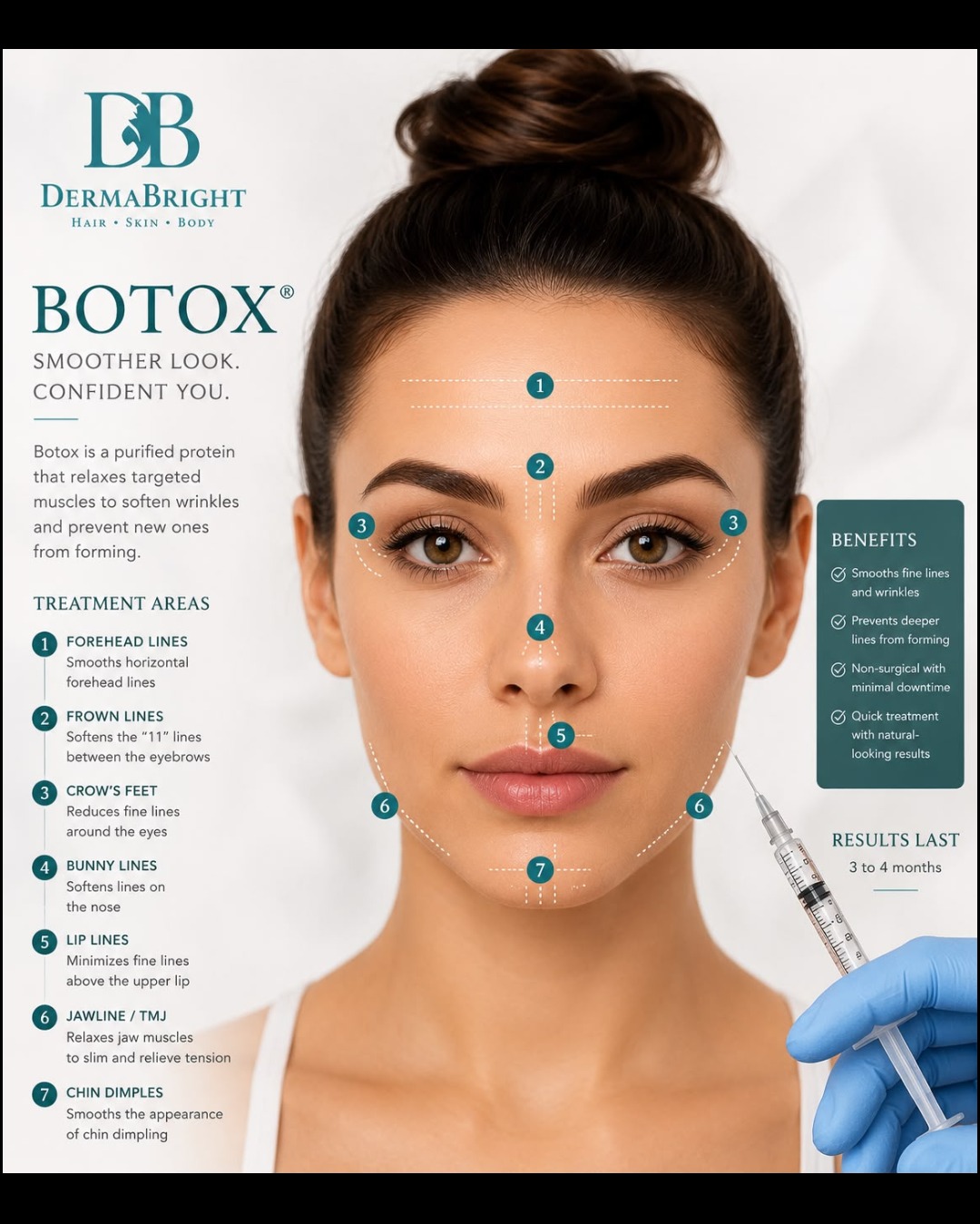
Botox is commonly used for:
* Forehead lines
* Frown lines between the eyebrows
* Crow’s feet around the eyes
* Bunny lines on the nose
* Lip lines
* Chin dimpling
* Jawline slimming
* Gummy smile correction
* Neck bands
In addition to cosmetic applications, Botox is also used medically for conditions such as chronic migraine, excessive sweating, jaw clenching, and teeth grinding.
Botox vs Other Anti-Aging Treatments
Botox vs Dermal Fillers
Botox and dermal fillers are often confused, but they work differently. Botox relaxes muscles that create expression lines, while fillers restore volume lost due to aging. Fillers are commonly used in the cheeks, lips, jawline, and under-eye areas.
Many patients combine Botox and fillers for full facial rejuvenation. Botox improves movement-related wrinkles, while fillers help restore facial contour and fullness.
Botox vs Surgical Facelift
A facelift is a surgical procedure designed to tighten loose skin and lift sagging tissues. Botox is non-surgical and requires no cuts, stitches, or downtime. While Botox is effective for early to moderate wrinkles, it cannot correct severe sagging or excess skin the way surgery can.
Patients seeking subtle, temporary improvement often choose Botox before considering surgery.
Botox vs Laser and Microneedling
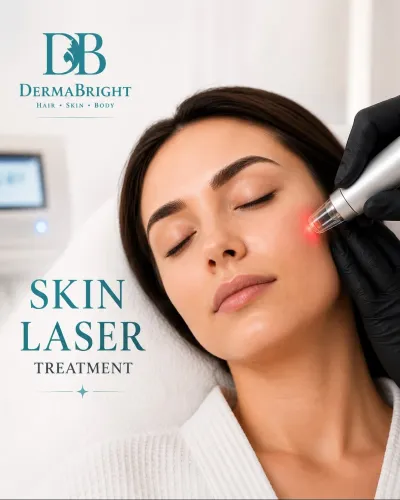
Laser treatments and microneedling improve skin texture, pigmentation, scars, and collagen production. Botox does not improve skin texture or pigmentation directly. Instead, it focuses only on reducing muscle movement.
These treatments are frequently combined for more complete results. Botox softens wrinkles while lasers and microneedling improve overall skin quality.
The Botox Procedure
Consultation and Assessment
The process begins with a consultation. A trained injector evaluates facial expressions, muscle movement, wrinkle depth, and skin condition. Medical history and treatment goals are discussed to create a customized treatment plan.
This assessment is important because every face has different muscle strength and anatomy. Proper planning helps achieve natural-looking results and prevents an overly frozen appearance.
Preparation and Injection
The treatment area is cleaned with antiseptic. Most patients do not require numbing because Botox injections use ultra-fine needles and cause minimal discomfort.
Small amounts of Botox are injected into targeted muscles using precise techniques. The procedure usually takes around 10 to 15 minutes. Patients may feel mild pinching or slight stinging during injections.
Immediately After Treatment
Botox requires little to no downtime. Most patients return to work or daily activities immediately after the session.
Temporary redness, swelling, or small bumps at injection sites may appear but usually disappear within 15 to 30 minutes. Bruising is possible but generally mild.
Results are not visible immediately. Initial improvement begins within a few days.
Results and Follow-Up
Most patients start noticing changes within 3 to 5 days, while full results develop in 10 to 14 days.
A follow-up appointment may be recommended after two weeks, especially for first-time patients, to assess results and make minor adjustments if necessary.
Recovery and Aftercare
Botox recovery is simple compared to surgical procedures. Since there are no cuts or stitches, healing is minimal.
Important aftercare instructions include:
* Avoid rubbing or massaging treated areas for at least 4 to 6 hours
* Remain upright for about 4 hours after treatment
* Avoid strenuous exercise, alcohol, saunas, and excessive heat for 24 hours
* Avoid facials, lasers, and facial massage for about 2 weeks
* Follow all instructions provided by the injector
These precautions help prevent product migration and reduce the risk of unwanted side effects such as drooping.
How Long Botox Lasts
Botox is temporary, and results gradually wear off as nerve activity returns. Most treatments last approximately 3 to 4 months.
Several factors influence longevity:
* Faster metabolism may break down Botox more quickly
* Strong facial muscles may require higher doses
* Some treatment areas wear off faster than others
* Regular maintenance can help train muscles and extend results
With consistent treatments, some patients notice that they need fewer touch-ups over time.
Who Is a Good Candidate
Botox is suitable for adults who want to reduce expression lines or prevent wrinkle formation. It works especially well for:
* Forehead lines
* Frown lines
* Crow’s feet
* Early signs of aging
* Mild facial asymmetry
* Gummy smile correction
* Jawline slimming
Many patients begin preventative Botox in their late 20s or early 30s to slow wrinkle development.
Botox may also benefit patients with medical conditions such as excessive sweating, migraines, or jaw clenching.
Who Should Avoid Botox
Botox may not be appropriate for everyone. It is generally avoided in:
* Pregnant or breastfeeding individuals
* People with neuromuscular disorders such as myasthenia gravis or ALS
* Patients with active infection at the injection site
* Individuals with allergies to Botox ingredients
* People with unrealistic expectations
Deep static wrinkles caused by skin laxity or severe aging may require combination treatments rather than Botox alone.
Risks and Side Effects
Botox is considered safe when performed by qualified medical professionals, but like all medical procedures, it carries potential risks.
Common temporary side effects include:
* Mild swelling
* Redness
* Bruising
* Headache
* Tenderness
Rare complications may include:
* Eyelid or brow drooping
* Uneven facial expression
* Product migration
* Flu-like symptoms
* Resistance from excessive frequent use
Most complications are temporary and improve as the Botox effect fades.
The risk of complications increases when injections are performed by untrained providers or in non-medical settings.
Choosing a Qualified Injector
Selecting an experienced injector is one of the most important factors for safe and natural results.
Patients should:
1. Choose a qualified dermatologist or plastic surgeon
2. Confirm the use of genuine FDA-approved products
3. Ask to see before-and-after results
4. Ensure the clinic follows sterile medical protocols
5. Avoid extremely low-cost or “Botox party” treatments
Proper injection technique, dosing, and facial assessment are essential to achieving balanced results without looking unnatural.
Botox Cost in India
Botox pricing varies depending on:
* Number of units required
* Treatment area
* Injector expertise
* Clinic location
* Product brand used
In India, Botox generally costs between ₹300 and ₹700 per unit. Most facial areas require 20 to 60 units depending on muscle strength and treatment goals.
A full treatment for the forehead, frown lines, and crow’s feet may range between ₹12, 000 and ₹30, 000 per session.
Very low pricing may indicate diluted or counterfeit products, so patients should prioritize safety and quality over discounts.
Maintaining Botox Results
Maintaining Botox involves regular touch-up sessions every few months before muscle movement fully returns.
Healthy skincare habits can help improve overall skin appearance and support long-term anti-aging results. These include:
* Daily sunscreen use
* Proper hydration
* Consistent skincare routine
* Avoiding smoking and excessive sun exposure
As facial structure changes with age, treatment plans may also evolve. A skilled injector can adjust dosage and placement over time to maintain balanced and natural-looking results.
Final Thoughts
Botox is a highly effective non-surgical treatment for reducing expression lines and preventing wrinkle progression. It offers quick treatment sessions, minimal downtime, and temporary yet noticeable rejuvenation.
The best Botox results come from personalized treatment planning, realistic expectations, and choosing a qualified medical injector with experience in facial anatomy and aesthetic balance.
While Botox cannot replace surgery or correct severe skin laxity, it remains one of the most trusted treatments for achieving smoother, refreshed, and youthful-looking skin without downtime. When combined with good skincare and proper maintenance, Botox can help patients maintain natural facial rejuvenation safely and effectively.