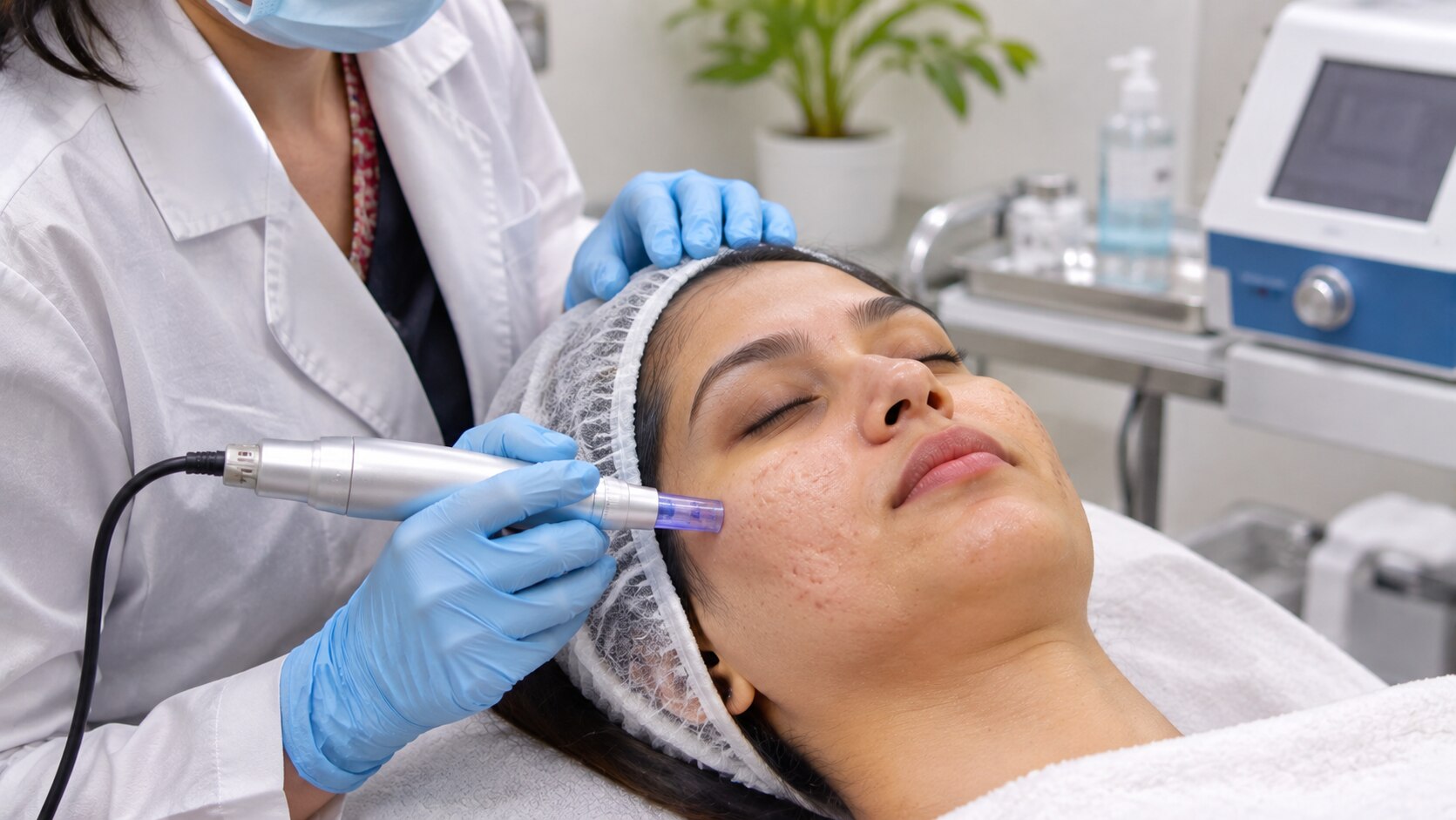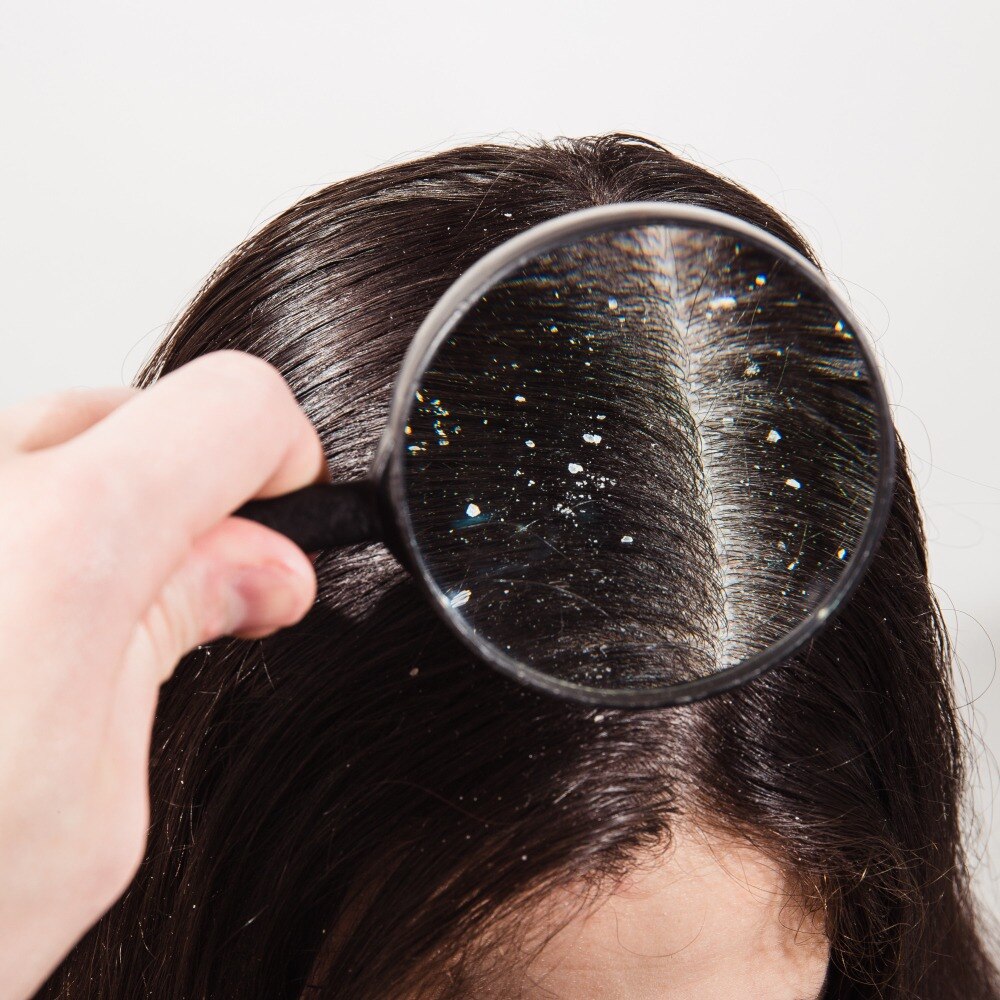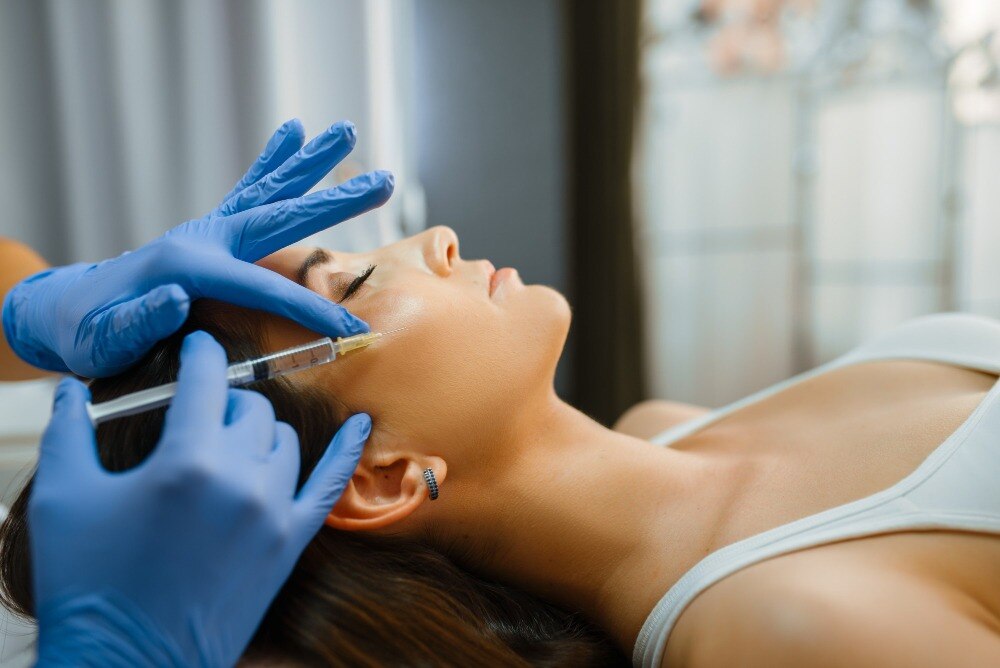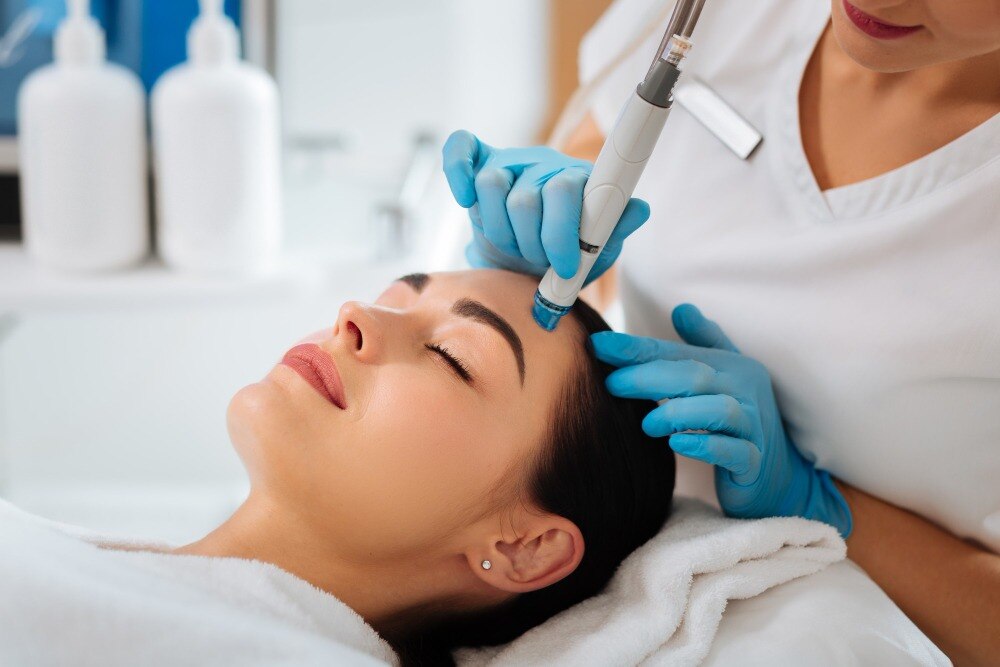
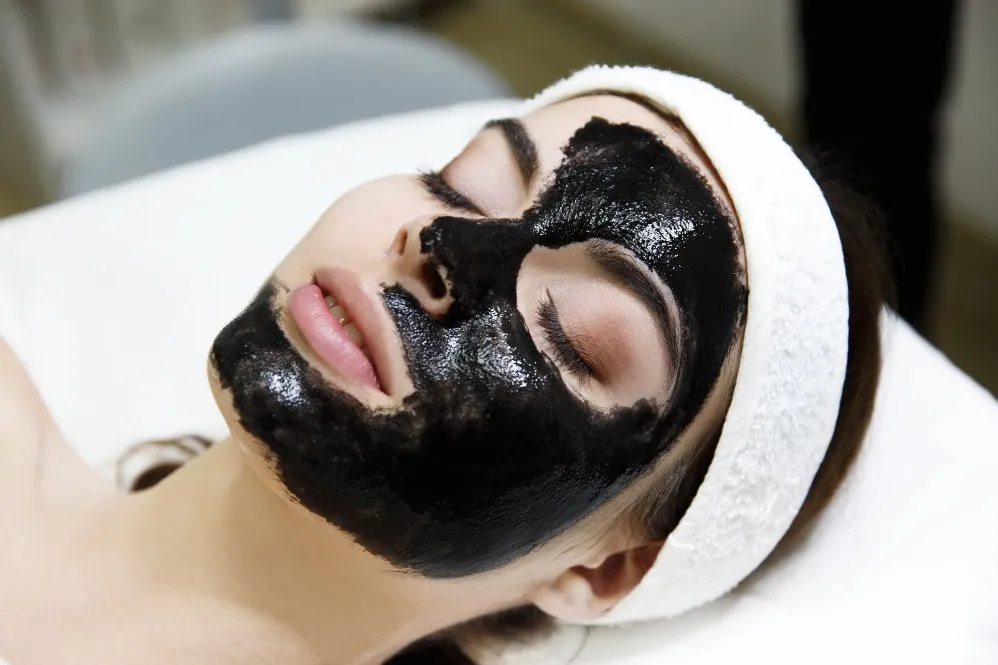
Persistent oiliness, blackheads and recurring congestion often lead people to try harsh scrubs or multiple active products at once. These measures can irritate the skin barrier without addressing the concern effectively. A Black Peel is a professionally administered exfoliating treatment that may be considered for selected oily, acne-prone or uneven-textured skin types.
The name can refer to different professional formulations, so the ingredients and strength should never be assumed from the treatment name alone. The provider should explain what the peel contains, why it has been selected and what level of exfoliation is expected.
What a Black Peel Is Intended to Do
A peel works by applying a controlled formulation to the skin for a specified period. Depending on its composition and concentration, it may help remove accumulated surface cells and improve the appearance of congestion.
A Black Peel may be used to support care for concerns such as:
- Excess surface oil
- Blackheads and whiteheads
- Mild acne-related congestion
- Rough or uneven-looking texture
- Post-acne marks in suitable cases
- Dullness associated with surface buildup
It is not automatically appropriate for every type of acne. Painful nodules, cystic acne, infected lesions or sudden breakouts require clinical evaluation before any peel is considered.
Why Skin Assessment Matters
Two people with oily skin may need completely different approaches. One may have resilient skin with clogged pores, while another may have an impaired barrier caused by over-cleansing and frequent use of acids.
Before a Black Peel, the practitioner should review:
- Current acne and skincare products
- Use of retinoids or prescription medicines
- History of sensitive skin, eczema or dermatitis
- Tendency to develop dark marks after irritation
- Recent waxing, threading, lasers or other peels
- Active cuts, cold sores or skin infections
This assessment helps determine whether the peel should proceed, be modified or be postponed.
What Happens During the Procedure
The skin is normally cleansed before the peel is applied in a controlled manner. A person may experience mild warmth, tingling or temporary stinging. The solution is then removed or neutralised according to the product protocol.
Temporary redness, dryness, tightness or light flaking may follow. These responses depend on peel depth, skin sensitivity and aftercare. Picking or pulling peeling skin can increase irritation and the likelihood of uneven pigmentation.
Common Mistakes After a Black Peel
People seeking a Black Peel in Balewadi should avoid treating post-peel skin as if it were unaffected. Frequent mistakes include:
- Applying scrubs to remove flaking
- Using multiple exfoliating acids immediately
- Restarting retinoids without guidance
- Skipping moisturiser because the skin is oily
- Exercising in excessive heat soon after treatment
- Neglecting sunscreen during outdoor travel
Sun exposure is especially relevant across Pune and Maharashtra. Recently exfoliated skin can be more vulnerable to irritation and pigment changes, making appropriate sun protection an important part of aftercare.
Maintaining Balanced Results
DermaBright may recommend a simplified routine following the procedure, based on how the skin responds. A gentle cleanser, non-comedogenic moisturiser and suitable sunscreen are often more appropriate than an aggressive anti-acne routine during early recovery.
A Black Peel can form one part of a broader plan for congestion-prone skin. Consistent home care, controlled use of active ingredients and attention to the cause of recurring acne are necessary for longer-term management. The goal should be healthier, more balanced skin rather than excessive peeling.
Keywords